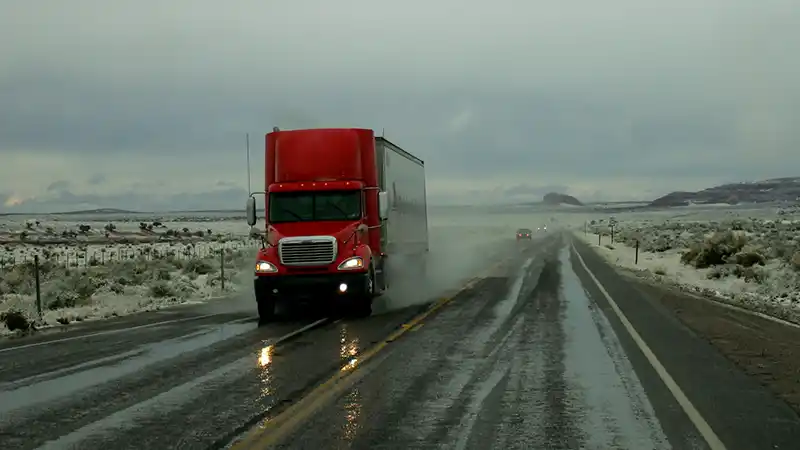
700,000 Miles Is The Turning Point
A well-maintained Class 8 tractor can run a million miles or more, rack up 20,000+ hours, and stay in service for a decade or longer. But around 700,000 miles, trucks hit a clear transition point. End‑of‑life failures start to appear, metal fatigue accelerates, emissions systems lose efficiency, sensors age out, and internal engine wear becomes obvious instead of theoretical.
None of this is random. The failures that show up after 700k are highly predictable if you know where to look. This guide walks through the most common high‑mileage failure patterns, real‑world cost ranges, key warning signs, and how TruckProtect™ fits into a long‑term lifecycle plan.
Engine Wear: When “Normal” Use Starts To Show
Long‑haul engines generally start to show measurable wear somewhere between 600k and 800k miles. By 700k, most fleets begin to see the same set of issues: more blow‑by, more oil consumption, harder cold starts, a bit less power, and declining turbo efficiency.
Blow‑by is usually the first obvious sign. Worn rings and cylinders let combustion gases slip past into the crankcase. You may see vapor or a light “whistle” from the crankcase vent, oil film on hoses, or pressure at the dipstick tube. That’s the engine telling you its sealing surfaces are no longer what they were at 200k.
Oil consumption tends to creep up as valve guides, pistons, rings, and turbo seals wear. Using a gallon every 3,000–5,000 miles is common at this stage. Cold starts get a little slower as compression drops and injectors age. Drivers may notice that the truck doesn’t pull quite as hard on long grades, even though there are no active fault codes.
At this mileage, it’s common to see: injector sets in the 3,000–6,000 dollar range, turbo replacements in the 2,500–7,500 dollar range, overhead sets (valve and injector adjustment) for 300–800 dollars, and in‑frame rebuilds starting around 15,000 and running up to 25,000 dollars or more.
Emissions Systems: DPF, DOC, SCR, and DEF At End Of Life
By 700k miles, the aftertreatment system has been through thousands of regens and millions of soot cycles. The hardware is simply aging out.
Most DPFs reach ash capacity somewhere between 600k and 800k miles. Cleaning can buy time earlier in life, but at this stage many filters are beyond effective cleaning and need replacement, typically in the 3,000–5,000 dollar range.
DOC catalysts degrade from years of heat cycling and exposure to fuel vapors during regens. Their ability to oxidize fuel and support proper regen declines, with replacements often costing 2,000–5,000 dollars.
SCR catalysts also lose efficiency over time. Fuel quality issues, DEF quality, and repeated thermal shock all contribute. When SCR efficiency drops below threshold, you start seeing derates and fault codes. SCR units typically run 4,000–10,000 dollars.
Sensors are another wear item. NOx sensors often last 300k–500k miles. By 700k, most original sensors are already on their second or third set, and any that remain are living on borrowed time. Replacements usually run 400–1,000 dollars each.
DEF pumps, heaters, and injectors tend to wear out somewhere in the 400k–700k range, with repairs typically costing 1,200–3,500 dollars.
EGR System: One Of The First To Show Its Age
The EGR system is often the first emissions subsystem to reach true end‑of‑life. Years of heat cycling and soot exposure gradually clog passages, wear valves, and stress coolers.
By 700k, many trucks have already had at least one EGR cooler or valve replaced. If they haven’t, this is the window where you can expect sticking EGR valves, cracked or leaking coolers, and restricted flow that drives up soot production and DPF load.
Typical repair costs for EGR work fall in the 1,500–4,000 dollar range, depending on engine model and how much collateral damage is present.
Turbocharger: Risk Spikes As Wear Adds Up
Variable geometry turbos live a hard life even on well‑maintained trucks. Over hundreds of thousands of miles, bearings wear, vanes and housings erode, actuators fatigue, and oil contamination or soot buildup can cause sticking.
After 700k miles, the risk of turbo failure climbs sharply. Warning signs include slow spooling, low boost under load, surging, siren‑like noises, and excessive smoke. Some of these issues can be addressed early with cleaning and actuator checks, but many turbos at this age are simply at the end of their mechanical life.
Replacement costs typically land between 2,500 and 7,500 dollars. The bigger concern is that a failing turbo can trigger a full aftertreatment collapse—overloading the DPF, overheating the DOC, and stressing the SCR—which is one of the most expensive cascades in trucking.
Cooling System: Fatigue, Corrosion, And Age
By the time a truck hits 700k, the cooling system has seen years of thermal cycling, vibration, and corrosion. Radiators corrode and crack, water pump bearings wear, thermostats get lazy or stick, hoses harden and split, and radiator fins clog with debris.
Common end‑of‑life failures include water pump leaks or bearing failure, cracked or seeping radiators, weak surge tanks, stuck thermostats, and fan clutch burnout. Individually, these repairs usually fall in the 500–3,000 dollar range, but ignoring them can lead to overheating events that damage the head, EGR cooler, and turbo.
A pressure test and visual inspection at this mileage is cheap insurance.
Air System: Dryers, Valves, and Compressors
High‑mile air systems start to show their age as well. Air dryers lose effectiveness, check valves stick, compressor heads wear, and governors become unreliable.
Symptoms include slow air build, frequent compressor cycling, water in the tanks, and intermittent brake or suspension issues. Repairs typically range from 300 to 2,000 dollars, depending on whether you’re replacing a dryer cartridge and a few valves or rebuilding a compressor.
Transmission and Clutch: Approaching The Big Decision
By 700k miles, most drivetrains are somewhere on the slope toward major work, even if they aren’t there yet.
Manual transmissions often show clutch wear, synchro issues, and input shaft bearing play. Automated manuals add aging shift actuators and clutch actuators to the mix. Full automatics may have torque converter wear and heat‑related clutch pack fatigue.
Depending on the unit and the failure mode, costs can range from a 2,000‑dollar clutch job to a 10,000–12,000‑dollar transmission rebuild or replacement. For many fleets, this is the point where you decide whether to invest in the truck for another cycle or plan for replacement.
Suspension, Chassis, and Ride Components
Suspension and chassis fatigue become hard to ignore after 700k. Shocks are often blown, bushings crack, torque rods loosen, and leaf springs start to show fatigue. Alignment tends to drift more frequently, and the truck may develop vibrations or handling quirks that weren’t there at 300k.
Most of these repairs fall in the 500–3,000‑dollar range per event, but they have a big impact on driver comfort, tire life, and safety.
Electrical and Sensor Failures: The “Ghost” Problems
Electrical issues ramp up dramatically between 500k and 700k miles. Insulation on wiring can crack, connectors corrode, harnesses chafe, and modules get tired. ABS sensors, transmission harnesses, and aftertreatment sensors are all frequent offenders at this age.
These problems are often intermittent, which makes them frustrating and time‑consuming to diagnose. Individual repairs may cost 300–3,500 dollars, but the real cost is often in downtime and repeat visits if the root cause isn’t found the first time.
A 700k-Mile Maintenance Strategy That Actually Works
At this stage, a “business as usual” maintenance plan is not enough. High‑mile trucks need a more deliberate strategy, for example:
- Full DPF/DOC/SCR assessment to decide what needs cleaning, testing, or replacement
- Proactive NOx sensor replacement to avoid derate‑driven downtime
- Injector balance testing to catch uneven fueling before it scars liners
- Turbo vane and actuator checks to spot VGT sticking early
- Cooling system pressure testing and a close look at pumps, hoses, and radiators
- Full overhead adjustment to restore idle quality and power
- Clutch wear checks on manual and AMT units
- Crankcase pressure tests to quantify blow‑by and plan for future engine work
The goal isn’t to make a 700k truck “like new,” but to choose the right repairs at the right time so you get the miles you want without being blindsided.
Where Warranty Coverage Fits At High Mileage
Once a truck passes 700k, big‑ticket items are no longer “if” questions—they’re “when” questions. Aftertreatment, turbo, EGR, fuel system, engine internals, transmission, cooling, and sensors are all on the clock.
TruckProtect™ plans are designed to help cover many of those high‑cost components. Coverage does not stop metal fatigue or emissions aging, but it does help smooth out the cost curve as a truck moves into rebuild and end‑of‑life territory. Instead of one or two huge, unplanned repair events, you convert some of that risk into a known, budgeted expense.
Conclusion: 700,000 Miles Marks The Wear-Out Phase, Not Random Failure
After 700k miles, semi trucks don’t fail because of bad luck; they fail because years of heat cycles, vibration, soot, and load have done exactly what physics says they will do. Sensors age out, EGR loses efficiency, turbo bearings wear, injectors drift, DPFs hit ash capacity, cooling systems weaken, engines show their age, and transmissions start to slip.
Fleets and owner‑operators who understand these patterns can plan budgets, schedule repairs before they become emergencies, reduce downtime, and decide where coverage like TruckProtect makes the most sense. High mileage doesn’t have to mean chaos—it just requires a different playbook.