Is a Semi Truck Warranty Worth It? (Real Answer for Owner-Operators & Small Fleets)
When someone asks, “Is a semi truck warranty worth it?” they usually are not asking for a hot take. They are asking because they have felt that moment of uncertainty that only trucking creates, the moment when a small noise becomes a bigger noise, the dash lights up, and you start doing math you did not want to do.
If the truck goes down, what happens to the week. What happens to the month. What happens to the business.
The honest answer is that a semi truck warranty can be worth it, and it can also be a waste, depending on how you run, what you drive, and what kind of risk you can absorb without getting knocked off course. A warranty is not a coupon for repairs. It is a way of deciding, in advance, how you want to handle the worst case.
In 2026, the decision matters even more because repair costs have not gotten friendlier, and downtime is still the silent killer. A warranty does not just change what you pay. It changes how fast you can make decisions when you are stuck on the side of the road or sitting in a shop lot waiting on parts.
What a Warranty Is Actually Designed to Do
A semi truck warranty, often sold as an extended warranty or a vehicle service contract, is built to help with major mechanical breakdowns. It is designed to reduce the financial shock of a failure that would otherwise hit you all at once.
That is the key phrase, all at once.
Most owner-operators do not go out of business because they did not have enough revenue potential. They go out of business because cash flow cannot handle a sudden hit. A warranty is meant to soften that hit by turning a large, unpredictable expense into a smaller, predictable one.
It is also important to say what a warranty is not. It is not a maintenance plan. It is not a promise that every repair will be covered. It is not a guarantee that you will spend less over time than you would without coverage. It is a risk transfer tool, and like any risk tool, you have to match it to your situation.
The Real Cost of Going Without Coverage
If you have never had a major breakdown, it is easy to look at a warranty payment and think, “I could just save that money.” Sometimes that is true. But the real comparison is not warranty payment versus nothing. The real comparison is warranty payment versus the combination of repair bill plus downtime plus the scramble.
When a truck fails, the invoice is only the beginning. An engine rebuild can land anywhere from $15,000 to $35,000 or more depending on the platform, the damage, and labor rates. A transmission failure can run $8,000 to $15,000. A turbo can be $5,000 to $10,000. Fuel system problems can climb into the $6,000 to $12,000 range, and emissions related repairs can be expensive and time consuming depending on what is included in your plan and what is excluded.
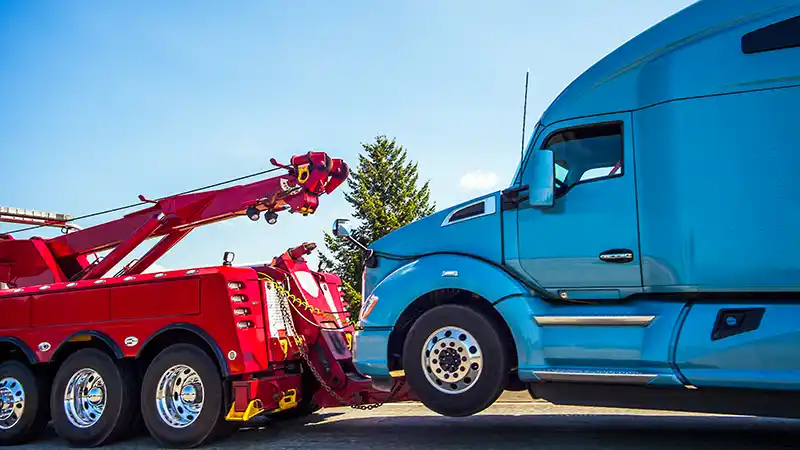
Now add towing. Add hotel nights. Add the load you had to turn down. Add the broker relationship you strained because you could not deliver. Add the stress of making a decision under pressure, often with limited options.
For many operators, the biggest cost is not the repair itself. It is the way a breakdown forces you to make financial decisions fast, sometimes with bad terms.
When a Semi Truck Warranty Tends to Be Worth It
A warranty usually makes sense when a major repair would create a cash flow problem that you cannot comfortably solve. That is the simplest rule of thumb.
If a $20,000 repair would force you to borrow money, miss a payment, or pause operations, then a warranty can be worth it because it acts like a buffer. It does not eliminate risk, but it can keep one event from turning into a chain reaction.
It also tends to be worth it when you are running used equipment. Used trucks can be great business, but they come with unknowns. Maybe the maintenance history is incomplete. Maybe the truck lived a harder life than the seller described. Maybe it was maintained, but not consistently. Even if you do everything right, used trucks carry more uncertainty, and a warranty can be a way to turn that uncertainty into a predictable cost.
The third scenario is when you value predictability more than you value total control. Some operators are comfortable with volatility. Others want to avoid the surprise month that wipes out profit. If you are trying to stabilize your household budget, build credit, or scale from one truck to two or three, predictable expenses can be a competitive advantage.
For small fleets, the logic gets even clearer. When you have multiple trucks, risk multiplies. One breakdown can disrupt dispatch, create overtime, and affect customer commitments. In that context, a warranty is not just about one repair. It is about operational continuity.
When a Warranty May Not Be Worth It
There are also cases where buying coverage is not the smartest move.
If you have strong cash reserves and a $20,000 repair would not threaten your ability to operate, you may prefer to self insure. In that case, you can build a dedicated repair reserve fund and keep full control over how it is used.
If your truck is newer, lower risk, or still under manufacturer warranty, the value gap can be smaller. You may still want coverage for peace of mind, but you should be honest about what you are paying for.
If you repair in house, the economics can change. Fleets with their own mechanics and parts sourcing can reduce repair costs and downtime. Some warranty plans also require pre authorization and specific processes that can feel restrictive if you already have a system.
The biggest reason a warranty is not worth it is simple, you do not understand the contract. If you do not know what is covered, what is excluded, what maintenance records are required, and what voids coverage, you are more likely to be disappointed. A warranty is only as valuable as your ability to use it correctly.
The Misconception That Creates Most Frustration
The most common expectation that leads to frustration is, “This should cover everything.” No semi truck warranty covers everything. Not TruckClub. Not NTP. Not ATW. Not TruckMaster.
Every plan has exclusions. Every plan has conditions. Most plans require maintenance compliance. A warranty becomes worth it when you buy it with the right expectations and match the plan to the failures that would hurt you most.
Maintenance and Warranty, How They Work Together
The best operators treat maintenance as the first line of defense and warranty as the backup plan.
Maintenance prevents problems. Warranty helps when prevention fails.
If you ignore maintenance, a warranty will not save you. Poor maintenance is one of the most common reasons claims get denied. If you maintain properly, a warranty becomes a financial safety net.
In practical terms, that means keeping service records, tracking oil and coolant checks, addressing leaks early, and not ignoring warning lights. It also means documenting inspections before long runs. These habits protect your truck, and they protect your claims.
Payment Structure, The Hidden Factor Most People Miss
Most people compare warranties by asking, “How much per month.” A better question is, “How is this being paid for, and what does that do to my total cost and control.”
If a warranty is rolled into dealer financing, it can be convenient, but it can also be hard to compare because the cost is bundled into the loan, and interest may increase the total cost. If a warranty is paid separately, it can be easier to evaluate and may offer more control.
This is one reason many owner-operators prefer plans that are transparent about pricing and not buried inside a finance office conversation.
Comparing Providers Without Getting Lost
Comparing providers is not about picking a logo. It is about comparing a contract.
TruckClub, through TruckProtect, is positioned for owner-operators and small fleets who want clarity and flexibility. The plans are structured in tiers, and the coverage details are designed to be easier to understand and compare. Depending on tier, coverage can include categories drivers care about in real life, like seals and gaskets and certain electronics.
NTP is a long established provider with a strong dealership presence. It is often sold at the point of purchase, which can be convenient. The tradeoff is that the plan details and pricing can vary based on what was included in the deal.
ATW and TruckMaster are commonly seen in more traditional dealership or broker distribution. As with any provider, the exact coverage depends on the plan level and the contract language.
The takeaway is simple, compare the plan, not the brand name.
A Simple Decision Framework
If you want a fast decision tool, start with one question.
If you had a $20,000 repair next month, what happens.
If the answer is, “I am fine,” you may not need coverage. If the answer is, “That would put me in a hole,” coverage is more likely to be worth it.
Then look at your truck. A newer truck with known history is different from a used truck with unknown history. Then look at your maintenance habits. If you are disciplined, you are more likely to get value from a plan because you can meet documentation requirements.
Finally, be honest about your preference. Do you want predictable costs, or do you want full control. That preference matters.
Questions to Ask Before You Buy
Before you sign anything, ask for the covered parts list and the exclusions list. Then ask these questions.
· Are electronics covered, and which ones.
· Are seals and gaskets covered, and under what conditions.
· Is aftertreatment included, and is it tier dependent.
· What is the deductible, and is it per visit or per repair.
· What are the claim limits, per claim and overall.
· Where can repairs be done, and do I need pre authorization.
· What maintenance records are required.
· What voids coverage.
· When does coverage start, and are there waiting periods.
If a provider cannot answer these clearly, that is useful information.
Pros and Cons, In Plain English
A warranty can protect cash flow from catastrophic repairs and create more predictable operating costs. It can reduce stress during breakdowns because you have a process and a plan.
The tradeoff is that you pay even if you never use it, and coverage is limited to specific components and conditions. Claims require documentation and often require pre authorization. Some exclusions can surprise drivers who did not read the contract.
A warranty is worth it when it protects you from a risk you cannot afford. It is not worth it when you are paying for peace of mind you do not need.
Final Takeaway
A semi truck warranty is not about saving money on every repair. It is about protecting your business from worst case scenarios.
If a major repair would crush your cash flow, coverage is often worth it. If you can easily absorb the hit and prefer full control, you may be better off self insuring.
Related articles:
· Semi truck warranty companies.
· What does a semi ttruck warranty cover?
FAQs
Is a semi truck warranty worth it for owner-operators?
It can be, especially if a major repair would disrupt cash flow or force borrowing. The best value is usually on used trucks where failure risk is higher.
Do most trucking companies use warranties?
Many owner-operators and small fleets use warranties, especially for used equipment, because it helps reduce financial shock from major breakdowns.
What is the downside of a truck warranty?
The biggest downside is that warranties do not cover everything. They have exclusions, require maintenance compliance, and often require pre authorization for claims.
Is it better to save money instead of buying a warranty?
It depends on risk tolerance. If you have strong reserves and prefer control, saving can work. If a major repair would crush cash flow, transferring risk may be smarter.