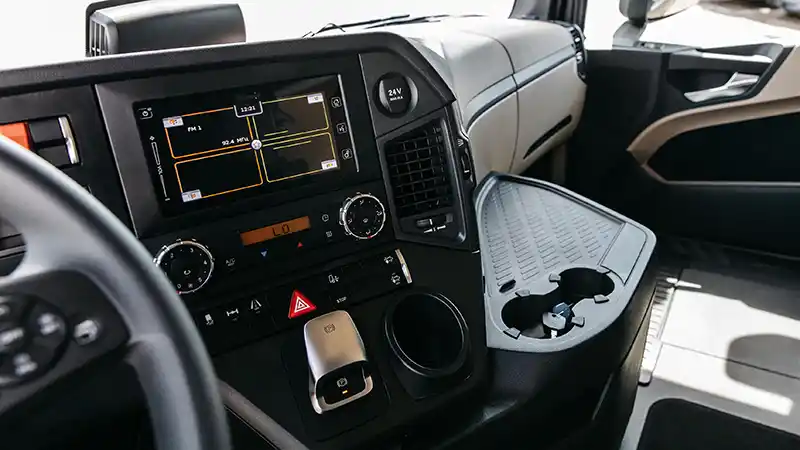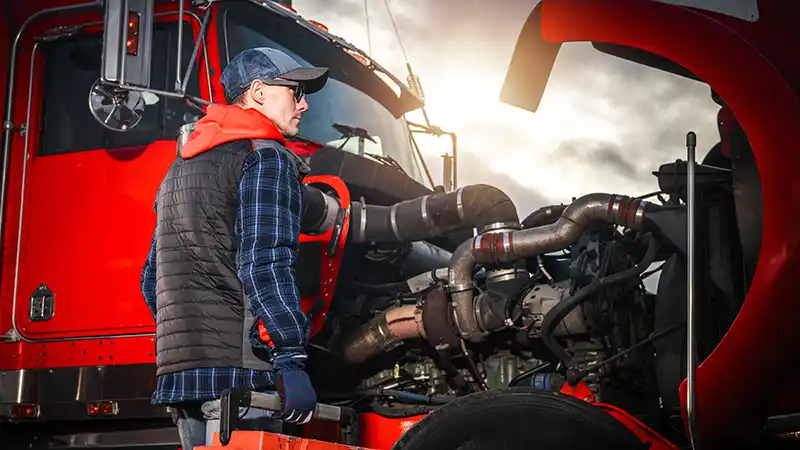
One of the biggest decisions an owner-operator will ever make is choosing the right engine.
Because in trucking, the engine often determines reliability, downtime, repair costs, fuel economy, profitability, and the long-term ownership experience.
In 2026, engine reliability matters more than ever. Modern trucks are increasingly emissions-heavy, electronically complex, and expensive to repair. That means choosing the wrong engine can create enormous financial pressure later.
This is why searches for most reliable semi truck engine, best diesel engine for trucking, best engine for owner operators, and which semi truck lasts the longest continue growing rapidly online.
Owner-operators understand a simple truth. Downtime destroys profitability, and reliability matters more than hype.
What “most reliable” really means in 2026
Before ranking anything, it helps to define what reliability means in the real world.
A reliable engine is not just one that can run a long time. It is one that can run a long time without turning your life into a constant cycle of derates, fault codes, shop visits, and missed loads.
In 2026, reliability usually means fewer unplanned repairs, less downtime from derates and emissions issues, predictable maintenance intervals, strong parts availability, a service network that can diagnose problems quickly, and good fuel economy over the long haul.
It also means something else that many people do not want to hear.
Maintenance discipline is part of reliability.
Even the best engine platform can become a nightmare if it is neglected, overheated, idled excessively, or driven with warning lights ignored.
Why engine choice matters so much
Many newer operators focus heavily on truck appearance, horsepower, chrome, and brand loyalty.
Experienced operators usually focus more on engine reliability.
Because the engine directly affects maintenance costs, repair frequency, fuel economy, uptime, and resale value.
One catastrophic engine failure can easily create $30,000 to $50,000 or more in financial exposure once downtime is included.
And that number is not just the repair invoice. It is towing, lost revenue, hotel costs, delays, and the ripple effect of a broken schedule.
Modern engines are more complex than ever
Years ago, diesel engines were mechanically simpler.
Modern engines now rely heavily on emissions systems, sensors, electronic controls, DPF systems, DEF systems, airflow management, and computerized diagnostics.
This increased complexity changed repair costs, maintenance requirements, and downtime exposure.
Today, engine selection affects much more than horsepower. It affects how often you will be forced into a shop, how quickly you can get back on the road, and how expensive it is when something goes wrong.
Most reliable semi truck engines ranked for 2026
Rankings always come with a warning.
Real-world reliability depends on maintenance history, application, driving style, idle time, and how the truck is spec’d. But certain platforms consistently show up in owner-operator conversations because they tend to deliver a better ownership experience when maintained properly.
1. Cummins X15
The Cummins X15 remains one of the most respected engines among owner-operators.
Cummins built a reputation for durability, widespread support, parts availability, and long-term reliability. Many operators appreciate strong pulling power, a broad service network, and widespread technician familiarity.
In practical terms, that service network matters, because it often determines whether a problem becomes a one-day fix or a week-long nightmare.
Many operators associate Cummins engines with long-term durability when maintained properly.
That said, modern X15 engines still rely heavily on emissions systems, sensors, and electronics. Maintenance discipline remains critical. The engine can be excellent, but it still lives inside a modern emissions environment.
2. Detroit DD15
The Detroit DD15 remains extremely popular throughout the trucking industry.
Many operators appreciate fuel economy, drivability, smooth operation, and strong integration with Freightliner trucks.
Detroit engines are heavily used across fleets, owner-operators, and long-haul applications. Many operators report strong fuel efficiency and operational consistency.
The integration is a big part of the appeal. When the engine and truck platform are designed to work together, the overall system can feel more predictable.
However, modern Detroit engines still require emissions maintenance, diagnostics, and preventative maintenance discipline. The DD15 can be a strong choice, but it is not immune to the emissions issues that frustrate the entire industry.
3. Volvo D13
The Volvo D13 continues gaining respect for fuel economy, smooth performance, integrated technology, and operational efficiency.
Volvo emphasizes safety systems, engine integration, and aerodynamic optimization. Many operators like the quieter driving experience and modern technology.
The tradeoff is that Volvo systems are often highly integrated electronically, which can increase diagnostic complexity. When something goes wrong, you want a shop that truly understands the platform.
For operators who value fuel economy and a modern driving experience, the D13 is often on the shortlist.
4. Paccar MX engines
Paccar MX engines continue improving throughout the industry and are used heavily in Kenworth and Peterbilt.
MX engines emphasize fuel economy, integrated systems, and operational efficiency.
Operator opinions vary depending on maintenance history, operating style, and application type. Many operators report good fuel economy and improved reliability over time, while others have strong preferences based on past experiences.
The practical takeaway is that MX engines can be a solid option, but the ownership experience is heavily influenced by how the truck was maintained and how it is operated.
Reliability matters more than horsepower
Many newer operators become obsessed with horsepower, torque numbers, and cosmetic appearance.
Experienced operators prioritize uptime.
A truck producing slightly less horsepower but staying operational consistently is often far more profitable long-term.
In the real world, reliability is what keeps the wheels turning and the revenue flowing.
Emissions systems affect every modern engine
Every modern engine platform depends heavily on emissions systems.
That means DPF systems, DEF systems, emissions sensors, airflow systems, and electronic diagnostics affect virtually every modern truck manufacturer.
Some operators blame specific engine brands when many emissions frustrations affect the entire industry.
This is why it is important to separate engine platform reputation from emissions system reality.
Preventative maintenance matters more than the badge
Maintenance often matters more than the engine badge.
The operators getting the longest engine life usually maintain aggressively, monitor diagnostics, reduce idle time, inspect airflow systems, and monitor cooling systems.
Even the best engine can become unreliable if maintenance is neglected.
Cooling systems matter tremendously
Modern diesel engines create enormous heat.
Cooling system neglect often contributes directly to engine failures, turbo problems, emissions issues, and downtime.
The smartest operators monitor coolant quality, leaks, temperatures, and airflow carefully.
Heat is not just uncomfortable. Heat is expensive.
Excessive idling hurts modern engines
Idling remains one of the biggest long-term problems in modern trucking.
Excessive idling increases soot buildup, DPF stress, emissions issues, and engine wear.
Modern engines perform best when operated efficiently and maintained proactively.
Fuel economy matters more than ever
Fuel remains one of the largest operational expenses in trucking.
Even small MPG differences can dramatically affect long-term profitability. That is why many operators prioritize fuel efficiency, aerodynamic setups, route optimization, and operating efficiency when choosing engines.
Downtime is the real profit killer
One major breakdown can create towing costs, hotel expenses, missed loads, customer issues, and delayed schedules.
Downtime often costs more than the repair itself.
This is why experienced operators prioritize reliability over hype.
AI and diagnostics are changing engine ownership
Modern trucks generate enormous amounts of sensor data, fault codes, and diagnostic information.
AI systems increasingly help operators predict failures, interpret fault codes, monitor maintenance trends, and reduce downtime risk.
The trucking industry is becoming increasingly data-driven, and the operators who pay attention to diagnostics early usually spend less money later.
No engine is perfect
Every modern engine requires maintenance, experiences failures, relies on electronics, and depends on emissions systems.
The goal is not finding a perfect engine.
The goal is finding the best engine for your operation, your lanes, your maintenance discipline, and your access to good service.
What smart operators prioritize
The smartest owner-operators usually prioritize uptime, reliability, maintenance accessibility, fuel economy, parts availability, and downtime reduction.
They understand consistent operation creates profitability.
Final takeaway
Choosing the most reliable semi truck engine in 2026 is about far more than horsepower, marketing, or brand loyalty.
The smartest operators focus on uptime, fuel economy, maintenance discipline, operational efficiency, and downtime prevention.
And perhaps most importantly, the operators who maintain proactively and operate strategically usually outperform operators chasing hype alone.
FAQ
1. What is the most reliable semi truck engine? Many operators commonly rank the Cummins X15, Detroit DD15, Volvo D13, and Paccar MX among the most reliable modern engines.
2. Does preventative maintenance matter more than engine brand In many cases, yes. Maintenance discipline often affects reliability more than brand alone.
3. Why are modern engines more expensive to repair? Modern engines rely heavily on emissions systems, electronics, sensors, and advanced diagnostics.
4. Does idling hurt modern diesel engines? Yes. Excessive idling increases soot buildup, emissions stress, and engine wear.
5. Why does downtime matter so much? Downtime creates lost revenue, missed loads, towing costs, and operational disruption.