PTO Systems Are Essential, But They Are Also Truck Killers
Power take off systems are the reason many work trucks exist. Dump trucks, tow trucks, roll offs, concrete mixers, service trucks, crane and boom trucks, refuse units, oilfield rigs, municipal and utility trucks all rely on PTO driven equipment to lift, dump, pump, spin, compact, hoist, reel, drill, and power hydraulic tools. PTO turns a truck into a work platform.
The tradeoff is that PTO work also creates one of the harshest mechanical environments a truck can see. It loads engines, transmissions, drivelines, cooling systems, emissions systems, and hydraulics in ways they were never designed to endure during normal driving.
This guide explains what PTO operation actually does inside the drivetrain, the most common PTO related failures, what they cost, why PTO duty breaks trucks faster than driving, how different truck types are affected, and how fleets can protect themselves, including where TruckProtect coverage naturally fits.
What PTO Operation Really Does Inside The Drivetrain
A PTO system mechanically connects engine output to a hydraulic pump, mechanical drive, or auxiliary equipment. When the PTO is engaged, engine RPM increases, torque demand rises, transmission components rotate under unusual loads, heat builds in both mechanical and hydraulic systems, exhaust flow changes, and EGR and DPF systems drift out of their normal operating ranges.
The truck may be stationary or moving slowly, so there is little airflow across the radiator, transmission, and aftertreatment. Lubrication and cooling patterns inside the transmission change. The engine is working hard without the benefit of forward motion. Over time, that creates abnormal wear patterns that standard on highway duty cycles never produce.
The Most Common PTO Related Failures In Vocational Trucks
Across dump, tow, refuse, utility, and construction fleets, the same PTO driven failures show up again and again.
Transmission Overheating
This is the single most common PTO related failure. PTO operation increases internal friction dramatically. Torque converters generate heat, clutches slip under low speed load, fluid circulation may be marginal, and there is little airflow to carry heat away.
Symptoms include delayed shifting, slipping, harsh engagement, burnt fluid smell, and derate warnings. A transmission rebuild typically costs 5,000 to 15,000 dollars. A full replacement can run 12,000 to 25,000 dollars. TruckProtect powertrain coverage is designed with these risks in mind.
PTO Pump Burnout
Hydraulic pumps overheat or seize when fluid is low or dirty, when PTO is run too long under heavy load, or when suction ports are restricted. Burned or seized pumps usually cost 800 to 2,500 dollars to replace.
Engine Overheating During PTO Use
When PTO engages, RPM and load go up while the truck often sits still. Airflow through the radiator drops. Coolant can boil, head gaskets can fail, heads can warp, and EGR coolers can crack.
Typical costs, EGR coolers 1,500 to 4,000 dollars, head gaskets 3,500 to 8,000 dollars, and serious engine damage 15,000 to 30,000 dollars.
Turbocharger Overload
PTO work creates sudden RPM changes without matching airflow. The turbo sees heat soak, oil coking, and turbine stress. Over time, that leads to bearing failure, vane sticking, and cracking. Turbo replacements commonly cost 2,500 to 7,500 dollars.
PTO Driveline Shaft Failure
The PTO shaft that connects transmission power to auxiliary equipment can twist, break splines, shear couplings, or wear bearings. Repairs typically range from 500 to 3,000 dollars depending on configuration and access.
Hydraulic Cylinder And Valve Failures
Dump bodies, cranes, booms, and tow units rely on cylinders and control valves that see high pressure and contamination. Seal blowouts, internal leaks, and valve erosion are common. Cylinder rebuilds usually cost 600 to 2,000 dollars. Valve and motor work often falls in the 800 to 2,500 dollar range.
Aftertreatment Failures Driven By PTO Cycles
With PTO engaged, exhaust temperature often drops below regen thresholds. Soot load increases, DPFs plug faster, EGR passages clog, and SCR efficiency faults become common.
DPF replacements run 3,000 to 6,000 dollars. EGR valve and cooler work typically costs 2,000 to 5,000 dollars. SCR related events often land in the 4,000 to 10,000 dollar band. TruckProtect plans that include aftertreatment protection are especially valuable for PTO heavy fleets.
Transmission PTO Gear Failure
The PTO gear inside the transmission can wear, chip, crack, or lose teeth when operators engage PTO incorrectly or run it under shock loads. Repair usually requires opening the transmission, with costs from 1,000 to 5,000 dollars.
Cooling System Stress
PTO work overheats radiators, hoses, fan clutches, thermostats, and water pumps because the engine is working hard with little airflow. Cooling repairs commonly range from 400 to 2,000 dollars, but a missed overheat can escalate into engine damage.
Electrical System Overload
Hydraulic controls, solenoids, and PTO switches increase amperage draw and voltage cycling, especially on utility trucks with booms and cranes. Alternators, wiring, and control modules see extra strain. Electrical repairs often cost 200 to 1,500 dollars depending on the component.
Why PTO Work Breaks Trucks Faster Than Driving
From an engineering standpoint, PTO duty is off design operation. The truck was optimized for moving down the road, not for sitting still while doing heavy work.
PTO use keeps engine RPM up without vehicle cooling airflow. The truck is not moving, so radiators and coolers do not get the air they need. High torque at low vehicle speed is the worst case for both engines and transmissions. Long periods of stationary load mean there is no momentum to share the stress, so the drivetrain absorbs everything.
Low exhaust temperatures during PTO create unburned fuel and soot, which overloads the DPF and clogs EGR passages. Hydraulic loads can add the equivalent of 30 to 70 horsepower worth of extra demand on the engine. Instant RPM changes when PTO engages or disengages stress the turbo and fuel timing. Transmission lubrication and fluid flow patterns also change when PTO is driving equipment instead of wheels.
All of this adds up to more wear per hour than normal driving.
How Different Truck Types Experience PTO Damage
Different vocational segments see different PTO pain points. Dump trucks face high hydraulic loads and frequent pump and cylinder failures. Tow trucks combine high idle with frequent PTO engagement, which is brutal on transmissions.
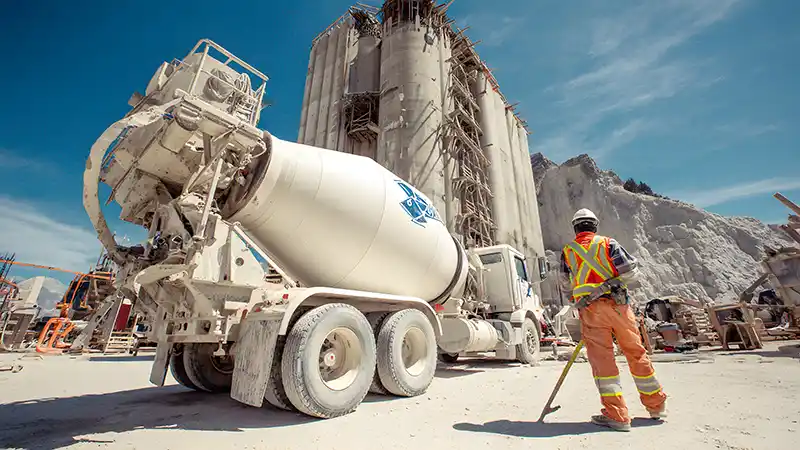
Concrete mixers run continuous PTO, which leads to chronic overheating of both engine and transmission. Utility bucket trucks layer electrical load on top of hydraulic cycles, creating harness and module failures. Refuse and waste trucks operate in the worst possible environment for regeneration, so aftertreatment failures are constant. Oilfield trucks see uneven terrain plus PTO cycles, which creates driveline shock and shaft failures.
The Most Expensive PTO Related Repairs
Some PTO driven failures are minor, but the big ones are not.
- Transmission rebuilds, 5,000 to 15,000 dollars
- Transmission replacements, 12,000 to 25,000 dollars
- Engine damage from overheating, 15,000 to 30,000 dollars
- Turbo replacements, 2,500 to 7,500 dollars
- DPF replacements, 3,000 to 6,000 dollars
- PTO gear repairs inside the transmission, 1,000 to 5,000 dollars
For many fleets, a single PTO related event can exceed 10,000 to 20,000 dollars once you add labor and downtime.
How To Prevent PTO Related Engine And Transmission Failures
Fleets that live on PTO have developed practical prevention habits.
They limit continuous PTO run time, using shorter cycles instead of long, uninterrupted operation whenever possible. They keep hydraulic fluid clean and well filtered, since contaminated oil destroys pumps, valves, and cylinders. They maintain cooling systems aggressively, knowing PTO work demands excellent heat rejection.
They monitor transmission temperature through in cab displays or telematics and adjust procedures when temps climb. They idle at proper PTO RPM, avoiding both too low, which creates soot, and too high, which creates overheating. They inspect PTO shafts and joints regularly, especially on cranes and booms.
Operator training is critical. Engaging PTO at the wrong time or in the wrong gear can destroy PTO gears and damage transmissions. Finally, they schedule DPF cleanings based on engine hours, not just miles, because PTO hours accelerate soot load even when the odometer barely moves.
When PTO Work Makes Warranty Coverage Essential
PTO heavy fleets experience more failures, earlier failures, and more catastrophic failures than comparable on highway operations. Engines, transmissions, aftertreatment systems, hydraulics, and electrical components all take extra punishment.
In that environment, full component coverage becomes more than a nice to have. It is a way to keep cost per hour and cost per mile from swinging wildly. TruckProtect plans are built with severe duty eligibility, engine and transmission protection, aftertreatment coverage, and support for high idle and high PTO fleets.
Coverage does not remove the mechanical stress, but it does remove much of the financial shock when PTO driven systems fail.
Conclusion, PTO Increases Capability, But It Also Increases Mechanical Risk
PTO systems are what make dump bodies lift, booms reach, drums spin, and packers compact. They turn a basic chassis into a revenue producing tool. At the same time, they introduce heat, soot, torque, vibration, hydraulic load, and emissions problems that shorten component life.
Understanding how PTO work damages engines, transmissions, drivelines, cooling, and emissions systems helps operators and fleets reduce failures, avoid catastrophic costs, increase uptime, extend equipment life, and justify warranty protection where it makes sense.
TruckClub provides the technical clarity behind those risks. TruckProtect provides the financial stability when PTO related failures inevitably show up in the real world.