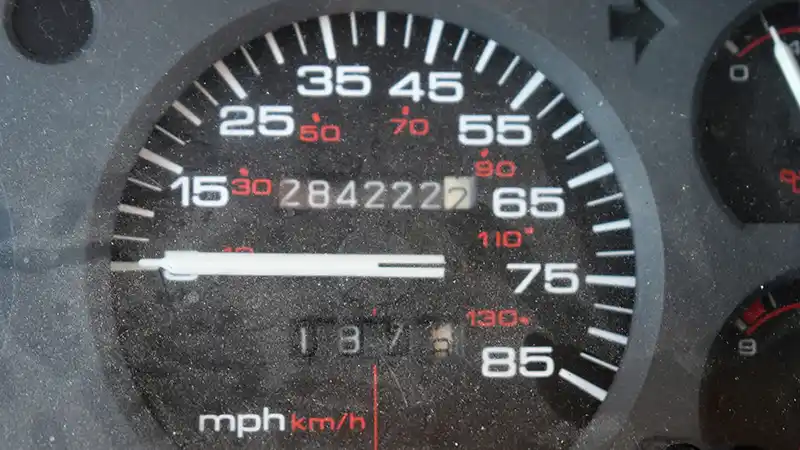
A good semi can run a million miles or more. That is the dream, buy the right truck, maintain it well, and keep it earning year after year. But somewhere around 400,000 miles, the game changes.
Up to that point, most trucks live in a relatively predictable world. OEM warranties are still active or recently expired. Components are aging, but not yet old. The engine feels strong, the emissions system is annoying but manageable, and most repairs are routine.
Then you cross that 400k line.
Suddenly, the wear curve steepens. High heat components that have been punished for years begin to fatigue. Emissions systems clog faster. Internal engine wear starts to show up in oil samples. Transmissions feel different under load. Electronics that were once set and forget start throwing mystery codes. Cooling components that quietly did their job for years begin to leak, crack, or lose efficiency. Turbos and injectors do not fail overnight, but their performance drops just enough to cost you power and fuel.
And downtime, it is no longer just an inconvenience. At this stage of a truck’s life, every day in the shop is a day of lost revenue you may not easily make back.
Whether you are an owner operator trying to squeeze every mile from a paid off truck, a fleet manager running a high mileage fleet, or a buyer looking at used iron in the 400k to 700k range, understanding this turning point is critical. This guide walks through what typically fails after 400,000 miles, why those failures show up at this stage, realistic repair cost ranges, early warning signs you cannot afford to ignore, practical ways to prevent or delay major failures, and how extended coverage, including TruckProtect, can stabilize costs when the truck is still earning but the OEM warranty is long gone.
Let’s unpack what really happens to a semi truck once it crosses that 400k threshold.
Why 400,000 Miles Is a Critical Threshold
For most on highway tractors, the first 300,000 to 350,000 miles are the easy years. You are dealing with normal wear, brakes, tires, basic PMs, the occasional sensor. The engine is still tight. The aftertreatment system is annoying but not yet a full time job. Cooling and electrical systems are aging, but not failing in clusters.
After 400,000 miles, the picture changes because multiple wear curves start to intersect at once.
Inside the engine, metal fatigue and microscopic wear begin to add up. Soot and ash have been cycling through the system for years. Lubrication is still doing its job, but clearances are no longer like new. Turbos and injectors have seen hundreds of thousands of heat cycles and are no longer as precise as they once were.
In the emissions system, ash and soot accumulation become harder to manage. DPFs and DOCs that once regenerated cleanly now struggle. SCR catalysts lose efficiency. EGR coolers and valves that have been hammered by dirty exhaust gas start to crack, stick, or leak.
Cooling systems lose efficiency as radiators scale up, hoses harden, thermostats get lazy, and water pumps lose their edge. Electrical systems, which are highly sensitive to vibration and heat, start to show their age as connectors loosen, harnesses rub through, and sensors drift out of spec.
None of this happens overnight. But around 400k, the odds of multiple systems aging together go way up. That is why this mileage band is such a critical turning point, and why the failures below are so common and so expensive.
Aftertreatment System Failures, DPF, DOC, SCR, DEF, EGR
If you talk to any high mile truck owner, you will hear the same story, the emissions system is what kills you. Modern aftertreatment works well when it is new. But after hundreds of thousands of miles of heat, soot, and regen cycles, things start to go sideways.
By 400k miles, most aftertreatment systems have endured inconsistent heat cycles, soot overload from idling or short hauls, clogged filters, contaminated DEF, sensors that have been cooked and cooled thousands of times, and EGR components caked with carbon.
Common failures at this stage include DOCs that overheat or crack, DPFs that reach true end of life, SCR catalysts that no longer reduce NOx effectively, clogged DEF lines, failing DEF pumps, and a parade of bad pressure, temperature, and NOx sensors. EGR valves start sticking, and EGR coolers can crack internally, sending coolant where it does not belong.
This clusters around 400k because ash accumulation and repeated regen cycles finally push the system past its design comfort zone. Long idle operations and cold weather highway runs that never get the exhaust hot enough for a good regen compound the problem. Sensors that were fine at 200k simply age out under constant thermal stress.
The repair bills look like this, DPF replacement roughly 3,000 to 6,000 dollars, DOC replacement about 2,000 to 5,000 dollars, SCR system work often 4,000 to 10,000 dollars, DEF pump 1,200 to 3,500 dollars, EGR cooler 2,000 to 5,000 dollars, NOx sensor 500 to 1,000 dollars.
Prevention helps. Regular DPF cleanings, limiting idle time, monitoring regen frequency, keeping DEF components clean, and watching for unexplained coolant loss, a classic EGR cooler warning sign, can all buy you time. But even with perfect maintenance, aftertreatment components have a finite life.
That is why aftertreatment is one of the biggest reasons high mile trucks benefit from extended coverage. Programs like TruckProtect exist largely because these failures are both common and unpredictable, and they do not care whether you had a good month or not.
Turbocharger Wear and Failure
Turbos are the unsung heroes of modern diesel engines. They work in brutal conditions, extreme heat, high RPM, and tight tolerances. Most will make it through 300,000 to 600,000 miles, but once you are past 400k, the risk of trouble climbs fast.
Inside the turbo, bearings wear and shaft play increases. Oil that once flowed cleanly may now carry microscopic debris. Variable geometry mechanisms can stick or fail. Heat cycles cause metal fatigue. Boost leaks develop at clamps and gaskets that have been baked for years.
On the road, this shows up as whistling or unusual turbo noises, black smoke under load, sluggish hill climb performance, delayed acceleration, or turbo overspeed or underboost codes. Ignore those signs and a marginal turbo can become a catastrophic failure, taking out other engine components with it.
Typical costs, turbo replacement 2,500 to 7,500 dollars, VGT actuator 800 to 2,200 dollars.
This is one of those areas where coverage matters because turbo failures often create collateral damage. Many TruckProtect engine plans include turbo components for exactly that reason, the turbo is technically a bolt on, but when it goes, it can take the heart of the engine with it.
Fuel Injector and Fuel System Failures
At 400,000 miles, injectors are no longer young. They have been firing millions of times, dealing with varying fuel quality, and living in a high pressure, high heat environment. Even if they are not failing outright, they are often out of spec enough to hurt performance and fuel economy.
Injector tips wear, high pressure components fatigue, and any contamination in the fuel system starts to show up as rough idle, hard starts, black smoke, fuel knock, misfires, or a noticeable drop in MPG. Internal leakage means fuel is going where it should not, and combustion becomes less consistent from cylinder to cylinder.
The repair math is simple but painful, a single injector 350 to 700 dollars, a full set 2,000 to 5,000 dollars, a high pressure fuel pump 1,800 to 4,500 dollars.
You can stretch injector life with clean fuel, good filtration, and regular maintenance, but at some point, the physics win. That is why many TruckProtect plans include fuel system coverage, because injectors and high pressure pumps do not fail on a schedule that matches your cash flow.
Cooling System Failures
Cooling systems are like referees, you do not notice them until something goes wrong. At 400k miles, a lot can go wrong.
Fan hubs wear out. Radiators fatigue and develop internal restrictions or external leaks. Thermostats stick open or closed. Hoses harden, crack, or balloon. Water pumps lose efficiency or start to seep. Coolant that has not been maintained properly becomes corrosive instead of protective.
The danger is simple, if cooling fails, engine failures follow. Overheating is one of the fastest ways to destroy an otherwise healthy engine.
Typical repair costs, radiator 1,000 to 3,000 dollars, fan clutch 700 to 2,000 dollars, thermostat 300 to 600 dollars, water pump 600 to 1,200 dollars.
These are not the biggest single ticket items on the truck, but they are the gatekeepers for the most expensive component you own, the engine. That is why many TruckProtect plans include key cooling components, because preventing an overheat is far cheaper than paying for an in frame.
Sensor and Electrical Failures
If you feel like high mile trucks throw more ghost codes and weird electrical gremlins, you are not imagining it. Electrical failures spike after 400k because of vibration, heat, and time.
Connectors loosen. Solder joints weaken. Harnesses rub through on brackets or frame rails. Corrosion creeps in at every unsealed connection. Sensors that have been baked and frozen thousands of times drift out of spec or fail outright.
Common culprits include NOx sensors, DPF temperature and pressure sensors, various engine and transmission pressure sensors, alternators, starters, and even ECU or TCM communication issues. Sometimes the failure is obvious. Other times, you are chasing intermittent faults that only show up under certain loads or temperatures.
Cost ranges, sensors 250 to 1,200 dollars, alternator 400 to 1,200 dollars, starter 300 to 1,000 dollars, ECU 1,200 to 4,000 dollars.
Electrical coverage varies widely across warranty programs. Some avoid it altogether. Others, like specific TruckProtect plans, include major sensors and critical electrical components because they know how often these failures park a high mile truck.
Transmission Failures, Manual, Automatic, AMT
Transmissions are built to last, but they are not immortal. After 400k miles, clutches weaken, gears and synchros wear, internal lubrication breaks down, and electronic control units can start to act up.
On the road, you might notice slipping, grinding, hard shifts, delayed engagement, or new vibrations under load. Fluid may come out darker, smell burnt, or show metal in analysis. Ignoring these signs can turn a manageable repair into a full rebuild or replacement.
The price tags are large, a transmission rebuild runs 5,000 to 18,000 dollars, a full replacement 12,000 to 25,000 dollars, an ECU or TCM 1,500 to 3,500 dollars.
Because these failures often happen after OEM coverage ends, powertrain focused plans like TruckProtect are designed to bridge that gap, supporting transmissions well into the high mile years when they are most likely to fail but the truck is still earning.
Internal Engine Wear, The Big One
This is the failure everyone fears, and for good reason. By the time you are well past 400k, internal engine wear is no longer theoretical. Cylinder walls show scoring. Piston rings lose their seal. Bearings develop wear patterns that can turn into failures. Camshafts and valve trains show fatigue. Blow by increases. Compression drops.
You might see white or blue smoke, a noticeable loss of power, rising oil consumption, metal in oil samples, turbo overspeed events, or a steady decline in fuel economy. None of those signs mean the engine will die tomorrow, but together, they paint a picture of a motor that is moving toward an in frame.
The numbers are sobering, an in frame overhaul 15,000 to 25,000 dollars, an out of frame 25,000 to 40,000 dollars or more, a replacement engine 30,000 to 60,000 dollars.
This is where extended coverage can literally make or break a business. Many TruckProtect plans are built around major engine component coverage because no owner operator wants to absorb a 25,000 dollar plus bill on a truck that still has years of earning potential.
How to Prevent Major Breakdowns After 400,000 Miles
You cannot stop time, but you can stack the odds in your favor. The trucks that survive and stay profitable past 400k are almost always the ones whose owners stay ahead of predictable failures.
High impact habits include regular oil sample analysis to catch early engine wear, proactive DPF and DOC cleaning instead of waiting for constant regens and derates, limiting idle time, especially in cold weather, keeping the cooling system fresh with coolant changes, radiator inspections, and timely hose and thermostat replacements, replacing known problem sensors on a schedule, paying attention to early turbo symptoms, and cleaning and securing electrical connections routinely.
None of this is glamorous. But at 400k miles and beyond, boring, consistent maintenance is what separates trucks that quietly roll past 800k from trucks that die in the 500s.
Do High Mileage Trucks Really Need Warranty Coverage
By 400,000 miles, OEM coverage is gone. The truck itself may be paid off or close to it. In theory, this should be your profit window. But it is also the window where repair costs spike, downtime becomes more expensive, and budgeting gets harder.
You can run without coverage and hope your maintenance discipline and luck hold. Some operators do, and it works, until it does not. Others choose aftermarket coverage, including TruckProtect options, because they want predictable repair costs, lower financial risk, and the ability to keep high mile trucks in service without betting the farm on every major component.
The value is not just in paying a claim. It is in knowing that if the DPF, turbo, transmission, or even the engine decides to fail at 650,000 miles, you are not facing that bill alone.
High mile trucks generate real revenue, but they also carry real risk. Coverage is one of the few tools that can turn random catastrophic expense into planned manageable cost.
Conclusion, 400,000 Miles Is When Protection Matters Most
A semi truck does not fall apart the day it hits 400,000 miles. Many trucks are just getting started. But this is the point where the truck stops behaving like a low mile unit and starts acting like what it is, a hard working, high mileage machine.
Repairs spike. Emissions systems fail more often. Sensors and electrical components cause unexpected issues. Cooling systems weaken. Injectors and turbos lose their edge. Internal engine wear accelerates quietly in the background.
The best strategy for any owner operator or fleet running trucks past this threshold is straightforward, stay ahead of predictable failures, maintain proactively, manage repair risk instead of gambling on luck, protect against catastrophic costs, and keep well maintained, high mile trucks earning longer.
TruckClub’s role is to provide clarity, insight, and real world guidance on what happens after 400k. Programs like TruckProtect exist to provide flexible, practical protection where it makes sense, especially for high mile trucks that are past OEM coverage but still have years of work left in them.
At 400,000 miles and beyond, the question is not just will something fail. It is when it does, are you ready.