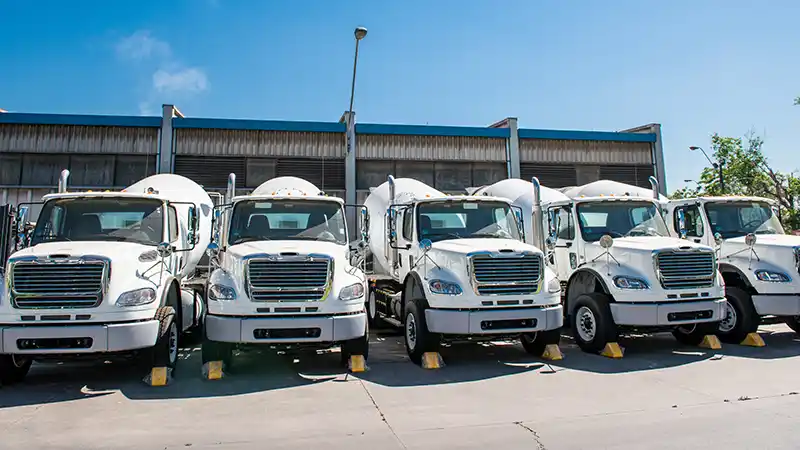
Vocational Fleets Do Far More Than Move Cargo
Vocational fleets are the backbone of construction, road building, waste and recycling, logging and forestry, oilfield, utility and telecom, municipalities, tow and recovery, concrete and heavy materials, and field service work.
These trucks do not just transport loads. They dump, lift, drill, hoist, tow, pump, compact, run PTO equipment, haul on jobsites, and work off road in conditions that would park a typical highway tractor.
Because of those extreme demands, the true cost of running a vocational fleet is far higher than most equipment managers see on a simple fuel and maintenance report.
This guide breaks down twelve major hidden costs vocational fleets pay, why they exist, how they erode profitability, and what operators can do to reduce or control them. TruckProtect is mentioned only where it naturally fits into the financial risk discussion.
Hidden Cost 1, PTO Related Engine And Transmission Wear
PTO systems dramatically increase fuel consumption, heat generation, engine and transmission load, oil contamination, and hydraulic pressure cycling. Dump cycles, concrete mixers, bucket and crane operation, tow winches, vacuum trucks, boom lifts, and refuse compactors all run on PTO time.
PTO use often leads to engine overheating, turbo strain, bearing wear, clutch damage, and transmission overheating. When you add PTO repairs, extra fluid changes, and related wear, the annual impact commonly lands between 2,000 and 12,000 dollars or more per truck.
Hidden Cost 2, Off Road And Jobsite Terrain Wear
Vocational trucks rarely live on clean asphalt. They work in mud, gravel, sand, rocks, ruts, uneven ground, steep slopes, and debris filled jobsites.
That terrain stress destroys suspensions, frames, steering components, axles, turbos, cooling systems, radiators, and wiring harnesses. Frame twist repairs alone can exceed 10,000 dollars. Across a year, terrain driven wear typically adds 3,000 to 10,000 dollars or more per truck.
Hidden Cost 3, Extreme Idle Hours
Vocational trucks idle constantly for PTO operation, jobsite waiting, HVAC, tool power, and inching around sites.
High idle hours accelerate soot buildup, turbo wear, DPF loading, EGR clogging, oil dilution, and bearing wear. A truck with 4,500 to 6,500 hours at only 120,000 miles can have the internal wear of a 500,000 plus mile highway semi.
The annual cost impact, from extra fuel, more frequent maintenance, and shortened engine life, often runs 1,500 to 7,000 dollars or more per truck.
Hidden Cost 4, Aftertreatment Failures
Vocational duty cycles are brutal on emissions systems. Low speed, high torque, heavy load, dust contamination, disrupted regens, and extreme heat cycles all combine to make aftertreatment failures the number one cost driver in many severe duty fleets.
Typical costs look like this, DPF 3,000 to 6,000 dollars, DOC 2,000 to 5,000, SCR 4,000 to 10,000, EGR cooler 1,500 to 4,000, NOx sensors 400 to 1,000 each.
It is common to see 5,000 to 15,000 dollars or more per truck per year in emissions related costs. This is one area where TruckProtect plans often help reduce financial volatility.
Hidden Cost 5, Cooling System Stress And Overheating
Vocational environments clog radiator stacks, cause overheating at low speeds, burn out fan clutches, wear out water pumps, and create coolant leaks from vibration, thermal shock, and debris impacts.
Cooling failures often trigger EGR cooler cracks, turbo damage, engine derates, and warped cylinder heads. Annual cooling related costs frequently land between 2,000 and 8,000 dollars or more per truck once secondary damage is counted.
Hidden Cost 6, Fuel System Contamination
Off road, dusty, or remote fueling conditions increase the risk of water intrusion, foreign debris, microbial growth in tanks, and DEF contamination.
The result is injector failure, pump failure, misfires, and excess soot production. Injectors typically cost 2,000 to 4,500 dollars. Fuel pumps run 1,800 to 4,000 dollars. Across a year, fuel system contamination can add 1,000 to 6,000 dollars or more per truck.
Hidden Cost 7, Electrical Failures And Wiring Damage
Vocational fleets operate in mud, water, salt brine, corrosion, vibration, hydraulic fluid spray, and with broken or stressed harness mounts.
Common failures include corroded connectors, failed sensors, fried modules, and rubbed through wiring. Electrical issues are often time consuming to diagnose and repair, with annual costs typically in the 1,500 to 7,000 dollar range per truck in harsh environments.
Hidden Cost 8, Tire And Wheel Wear From Severe Terrain
Off road routes punish tires and wheels. Sidewall cuts, uneven wear, sharp debris punctures, rock bruising, and bead separation are normal in construction, logging, and waste.
Vocational fleets often burn through tires at two to three times the rate of on road fleets. Annual tire and wheel costs of 2,000 to 8,000 dollars per truck are common.
Hidden Cost 9, Driveline Stress, U Joints, Shafts, Differentials
Heavy loads, steep terrain, and low speed torque put huge stress on drivelines. Twisted driveshafts, sheared yokes, differential gear failures, and bearing damage are all part of the picture.
These failures often cost 2,000 to 12,000 dollars or more per truck per year once parts, labor, and downtime are included. TruckProtect powertrain coverage aligns closely with this category of risk.
Hidden Cost 10, Downtime, Lost Productivity, And Replacement Units
Vocational truck downtime is expensive because the truck usually anchors a crew or job. When it is down, job progress stalls, crews sit idle, rental trucks get pulled in, contract penalties appear, schedules slip, and revenue windows close.
Downtime often costs 400 to 2,500 dollars per day depending on the industry, with waste, tow, and heavy construction fleets feeling the highest impact. Annual downtime related costs can easily reach 5,000 to 25,000 dollars or more per truck.
Hidden Cost 11, Heavy Payload Stress And Frame Fatigue
Vocational trucks frequently run at or over GVWR, fully loaded, unevenly loaded, and on uneven terrain. That combination drives frame cracking, suspension collapse, bent axles, and spring breakage.
Repairs in this category often add 2,000 to 10,000 dollars or more per truck per year, especially in fleets that routinely push weight and spec limits.
Hidden Cost 12, Operator Behavior And Jobsite Conditions
Operator habits and jobsite practices are a major hidden cost lever. High idle, abrupt starts, riding brakes, lugging the engine, poor PTO engagement, skipping warmups, and shutting down during regens all increase soot, heat, strain, and wear.
The annual impact per operator can easily run 3,000 to 12,000 dollars or more in added fuel, maintenance, and premature failures. The upside is that training and clear jobsite standards often deliver some of the best ROI in vocational trucking.
Total Hidden Cost Impact, Why It Matters For Every Vocational Fleet
Across all twelve categories, the real hidden cost of a severe duty vocational truck often falls between 20,000 and 65,000 dollars per truck per year, not counting acquisition. That is 200,000 to 650,000 dollars a year for a ten truck fleet, and one to three million dollars for a fifty truck operation.
Those numbers are why the best run fleets treat cost control as a system, not a single line item. Strong PM programs, driver and operator training, hour based maintenance, telematics, and protection programs like TruckProtect do not remove the realities of severe duty work, but they give you levers to pull. With the right mix in place, hidden costs stop being surprises and start becoming numbers you can plan around.