Severe Duty Trucks Work Hard, Their Cooling Systems Work Harder
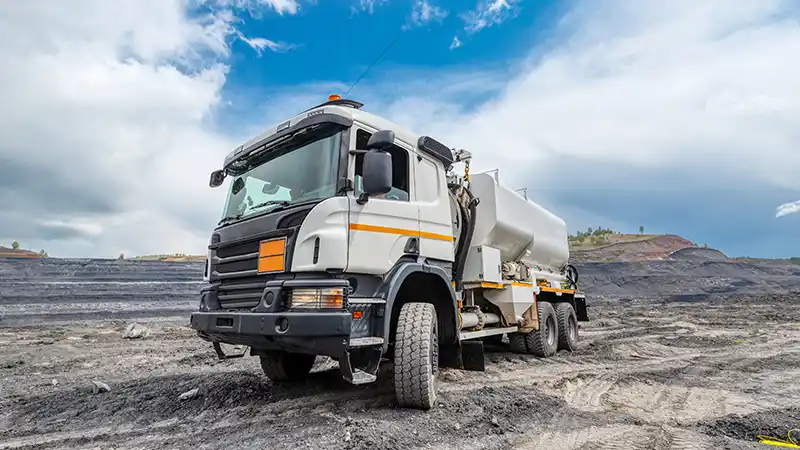
Vocational environments like construction, oilfield, logging, waste, municipal work, tow and recovery, and heavy industrial hauling push diesel engines to their limits. Unlike highway tractors, these trucks live in soft terrain, mud, sand, dust, gravel, steep grades, slow crawling, high torque loads, low airflow, constant PTO cycles, long idle, and repeated cold and hot cycles.
For a modern diesel cooling system, that combination is about as bad as it gets. In 2025, cooling system failures are more frequent, more expensive, more severe, and more likely to trigger cascading engine damage than ever before.
This guide explains why cooling systems fail early in severe duty trucks, which components go first, how to prevent overheating, what repairs really cost, how to diagnose issues early, and how TruckProtect fits into the broader risk and budgeting picture.
Why Cooling Systems Fail Earlier In Severe Duty Work
There are several core reasons vocational cooling systems do not last as long as their highway counterparts.
Low airflow at low speeds is a major one. Most vocational trucks rarely see steady 50 to 65 mile per hour airflow. They work at 5 to 25 miles per hour, with frequent stops, slow climbs, and tight job sites. Cooling packages are designed assuming a certain amount of ram air through the radiator stack. Without it, radiators heat soak and coolant temperatures climb.
Excessive dust, mud, and debris are constant. Construction, logging, and oilfield trucks inhale mud, soil, sawdust, cement dust, hydraulic mist, and general debris. That material packs into the radiator, charge air cooler, and condenser fins, acting like insulation. Airflow is choked, fan duty cycle spikes, and cooling efficiency can drop 30 to 60 percent in a single bad day.
PTO operation is another heat driver. Dump bodies, booms, winches, pumps, mixers, and vac systems all rely on elevated idle RPM and increased fuel load while the truck barely moves. That means higher coolant temperatures and prolonged heat with almost no airflow. Overheating, fan clutch burnout, coolant boil off, and radiator cracking are common outcomes.
High idle hours accelerate wear across the system. Vocational trucks often have double or triple the engine hours of an on road truck at the same mileage. More hours mean more thermal cycles, more coolant breakdown, more hose fatigue, more pump and belt wear. High hour trucks hit cooling failures much earlier than their odometers suggest.
Heavy payloads drive coolant temperature even higher. Construction and logging units often run at or near maximum GVWR. Heavy loads increase combustion heat, torque, turbo boost, and coolant temperature. Climbing grades at max weight with low airflow is a recipe for overheating.
Fan clutches in severe duty trucks engage more often, stay engaged longer, and operate in hotter, dirtier conditions. That leads to bearing wear, silicone fluid loss, clutch failure, and reduced cooling performance.
Off road vibration and frame flex weaken radiator brackets, hoses, clamps, water pump seals, heater lines, and metal coolant pipes. Small leaks quickly erode cooling capacity.
Finally, emissions systems add heat. Frequent DPF regens, EGR cycling, and SCR operation all increase exhaust and under hood temperatures. In slow moving, low airflow environments, that extra heat lands squarely on the cooling system.
Components That Fail Most Often
Several parts in the cooling circuit are especially vulnerable in severe duty work.
Radiators commonly suffer cracked tanks, clogged fins, punctured cores, and internal scaling. Replacement costs typically range from 1,200 to 3,000 dollars.
Fan clutches are one of the most common vocational failures, with replacements usually running 700 to 2,000 dollars.
Water pumps fail from vibration, cavitation, contaminated coolant, and bearing wear. They typically cost 600 to 1,200 dollars.
Coolant hoses and pipes wear prematurely when dust, heat, and vibration combine. Individual hoses often cost 150 to 500 dollars each.
Thermostats see frequent heat cycles and can stick open or closed, causing chronic under or over temperature issues. They usually cost 200 to 600 dollars.
Charge air coolers can crack at welds or develop leaks from vibration, reducing boost and heat rejection. Replacements often cost 700 to 2,000 dollars.
EGR coolers are also in the line of fire. Overheating and soot load lead to cracking and internal leaks, with repairs typically costing 1,500 to 4,000 dollars.
The Hidden Cost, Secondary Engine Damage
Cooling system problems rarely stay isolated. Overheating and poor cooling performance can trigger turbo failures from overheated bearings, EGR cooler cracks, head gasket failures, cylinder scoring, injector damage, DPF melt, and repeated derates.
Those cascading failures can easily add up to 8,000 to 25,000 dollars or more. That is why many vocational fleets pair aggressive preventive maintenance with TruckProtect style powertrain coverage, so the financial hit from a cooling related chain reaction does not land all at once on the balance sheet.
Early Warning Signs Operators Should Watch
Drivers and techs can catch many cooling issues early if they know what to look for. Rising coolant temperature under light or moderate load, frequent fan engagement, weaker A/C performance, coolant smell, small puddles under the truck, visible debris in the radiator stack, rising DPF temperature alerts, sluggish turbo spool, and hard or frequent regens are all red flags.
Addressing these signs early is often the difference between a simple radiator cleaning or hose replacement and a full engine repair.
How To Prevent Severe Duty Cooling Failures
Fleets that keep cooling failures under control follow a few consistent practices.
Power washing the radiator stack as often as conditions demand, sometimes daily in construction, waste, forestry, oilfield, and quarry work, is critical. Dirty radiators are the number one cause of overheating in these environments.
Using high quality coolant at the correct mix ratio improves heat transfer and protects internal surfaces. Inspecting belts, hoses, and clamps weekly helps catch vibration damage before it becomes a leak. Pressure testing the cooling system every 500 engine hours is an effective way to find small leaks early.
Monitoring coolant temperature during PTO operations and avoiding long periods of high idle without airflow reduces heat soak. Replacing fan clutches at the first sign of weakness, rather than waiting for complete failure, prevents many overheating events.
Keeping EGR and aftertreatment systems clean and functioning properly lowers overall engine heat and reduces regen related temperature spikes. Idle management systems and policies also help, since low idle is bad for both DPF health and cooling performance.
Cooling Failure Patterns By Industry
Failure severity tends to track with how harsh the environment is. Construction fleets see very high cooling stress from dust, slow speeds, and heavy loads. Logging fleets face very high stress from terrain vibration and weight. Oilfield work is extreme, combining heat, dust, and heavy PTO use. Waste and refuse fleets are also very high risk due to slow routes and constant PTO. Municipal fleets sit in the medium range with lots of stop and go. Utility and bucket trucks see high stress from idle plus PTO.
In all of these sectors, cooling is a major driver of maintenance cost and uptime.
When Warranty Coverage Makes Sense
Cooling system failures often do not stop at a radiator or pump. They lead to turbo damage, injector contamination, EGR cooler cracks, DPF melt, repeated derates, and in some cases full engine overhauls.
TruckProtect coverage often includes many of these secondary components, helping fleets stabilize cost per hour in extreme duty applications. The goal is not to replace good maintenance, but to reduce the financial shock when a cooling problem snowballs into a major engine event.
Conclusion, Severe Duty Cooling Failures Are Predictable, Which Means They Are Manageable
Severe duty trucks operate in a perfect storm of low airflow, extreme heat, heavy loads, dust contamination, PTO operation, constant vibration, high idle, and terrain stress. In that world, cooling failures are not random bad luck, they are a predictable outcome of the job.
The fleets that win are the ones that treat cooling as a critical system, not an afterthought, and combine tight preventive routines with smart risk protection. When you understand why these systems fail, you are in a much better position to keep trucks cool, engines alive, and jobs moving on schedule.