Vocational Trucks Break Differently, And More Frequently
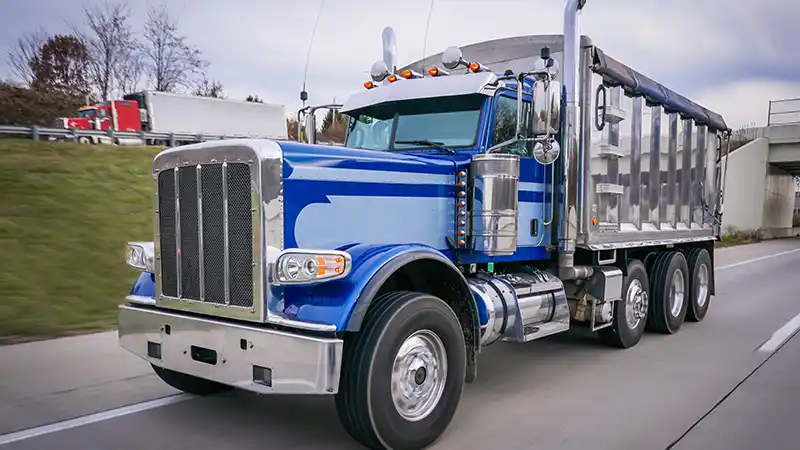
Vocational trucks, dump trucks, waste trucks, ready mix units, logging trucks, construction rigs, utility vehicles, tow trucks, and oilfield trucks, live in the harshest environments in trucking. They haul heavy loads into job sites, crawl through mud and rock, idle for hours, run PTO equipment, and climb steep terrain with full payloads.
Compared to highway semis, these trucks see more jobsite shock, more extreme load cycles, more dust and contamination, more idle time, shorter runs, more PTO operation, more off road vibration, and heavier payload stress. The result is simple. They break down more often, more severely, and earlier in their lifespan.
This guide breaks down the top ten most common vocational truck failures, why they happen, what they cost, and how fleets can reduce both risk and downtime. It also shows where coverage programs like TruckProtect can provide real financial stability in severe duty applications.
Aftertreatment System Failures
Aftertreatment failures, DPF, DOC, SCR, DEF, are the number one failure category in vocational trucking by a wide margin. These trucks operate in the worst duty cycles for emissions systems, low speed, high torque, short routes, heavy idle, PTO cycles, uneven terrain, and constant dust and contamination.
Those conditions drive DPF overload, DOC cracking, SCR catalyst failure, DEF crystallization, and constant sensor failures. Common symptoms include regen failures, derates, high soot load, poor power, and near constant regen cycles that never quite clean the system.
Typical costs, DPF 3,000 to 6,000 dollars, DOC 2,000 to 5,000 dollars, SCR 4,000 to 10,000 dollars, DEF pump 1,200 to 3,500 dollars, NOx sensors 400 to 1,000 dollars. TruckProtect plans often include major emissions components, which is critical for fleets whose heavy duty units live in derate territory.
PTO Related Driveline And Engine Failures
PTO systems power dump bodies, concrete mixers, tow winches, cranes, utility booms, refuse packers, and oilfield equipment. Every PTO cycle increases heat, load, fuel consumption, pump wear, engine stress, and transmission strain.
Common failures include PTO pump burnout, PTO shaft failure, driveline twist, increased bearing wear, and hydraulic overheating. Repairs range from 800 to 3,500 dollars for PTO work, 1,500 to 7,000 dollars for driveline repairs, and 3,000 to 12,000 dollars when engine collateral damage is involved.
Suspension And Frame Failures
Vocational suspensions and frames live under constant overload, off road use, and harsh impacts. It is common to see cracked leaf springs, broken hangers, bent axles, frame flex fatigue, air suspension bag failures, and worn torque rods.
Leaf springs typically cost 400 to 1,200 dollars, torque rods 200 to 600 dollars, air bags 300 to 900 dollars, and frame repairs can range from 1,500 to well over 10,000 dollars depending on damage. Logging and oilfield trucks tend to see the highest suspension failure rates.
Hydraulic System Failures
Hydraulic systems are the muscle behind dumps, tow bodies, utility lifts, waste packers, and cranes. They run constantly and often in dirty, hot conditions.
Common failures include leaking hydraulic lines, failing pumps, contaminated fluid, cylinder seal blowouts, motor burnout, and heat related failures. Typical costs, hoses 150 to 500 dollars, pumps 800 to 2,500 dollars, cylinder rebuilds 600 to 2,000 dollars, hydraulic motors 800 to 2,200 dollars.
Transmission Failures In Heavy Duty Applications
Vocational transmissions deal with stop and go work, steep terrain, shock loading, PTO cycles, heavy payloads, and heat saturation. That combination wears out gears, clutches, torque converters, and housings faster than on highway applications.
Rebuilds often cost 5,000 to 15,000 dollars. Full replacements run 12,000 to 25,000 dollars. TruckProtect powertrain plans are often structured to include vocational transmission protection because of these numbers.
Cooling System Failures
High idle and high load are a brutal combination for cooling systems. Vocational trucks may idle for hours, then pull a heavy load from a cold start, then idle again.
Common failures include radiator leaks, fan clutch burnout, coolant hose wear, failing water pumps, and sticky thermostats. Radiators typically cost 1,200 to 3,000 dollars, fan clutches 600 to 1,800 dollars, water pumps 400 to 1,200 dollars. Overheating can quickly cause severe engine damage on top of those costs.
Electrical System Failures In Harsh Environments
Dust, mud, gravel, chemicals, hydraulic fluid, water, vibration, and heat all attack vocational electrical systems. Wiring harness shorts, corroded connectors, failed sensors, alternator overload, and module communication faults are common.
Harness repairs can cost 300 to 3,000 dollars, alternators 400 to 1,200 dollars, and module replacements 900 to 3,500 dollars. Electrical issues are often diagnosis heavy, which adds labor on top of parts.
Brake System Failures
Vocational trucks brake constantly, heavily, and under load, often downhill and in congested environments. Worn drums, cracked rotors, burned pads, hydraulic leaks, and ABS module failures are all common.
A brake overhaul per axle usually runs 500 to 1,200 dollars. ABS modules cost 800 to 2,000 dollars. Individual calipers are often 200 to 600 dollars.
Steering And Front End Failures
Heavy duty steer axles take tremendous abuse on job sites, logging roads, construction zones, and oilfield terrain. Tie rod ends, kingpins, steering gears, ball joints, and drag links all wear faster than in highway service.
Steering gears typically cost 1,000 to 3,000 dollars, kingpin jobs 1,200 to 2,500 dollars, tie rods 200 to 600 dollars.
Engine Failures From Heavy Load Cycles
Vocational engines see higher torque demand, rapid temperature swings, more frequent turbo cycles, extreme dust ingestion, and harsh duty factors. Over time, that leads to turbocharger failure, injector wear, valve issues, head gasket leaks, coolant intrusion, and piston wear.
Typical costs, turbos 2,500 to 7,500 dollars, injectors 2,000 to 4,500 dollars, in frame overhauls 15,000 to 25,000 dollars, out of frame rebuilds 25,000 to 40,000 dollars or more. TruckProtect full component plans exist in part to help fleets handle these unpredictable engine events.
Why Vocational Trucks Fail Earlier Than Semis
The technical reasons are clear. Heat cycles, dust and debris, extreme vibration, idle heavy use, PTO load, short distance trips, maximum payload stress, and rough terrain all combine to destroy emissions components, cooling systems, transmissions, wiring harnesses, hydraulic systems, and suspension parts at two to five times the rate of on highway trucks.
How To Reduce Failure Frequency
Fleets can not change the work, but they can change how they manage it. Hour based maintenance, not just miles, is critical. A vocational truck with 4,000 to 6,000 hours is aging fast even if the odometer looks low.
Protecting wiring harnesses with upgraded shielding is a simple fix with a big impact. Maintaining PTO systems aggressively and keeping hydraulic oil clean prevents collateral damage to engines and transmissions. Cleaning cooling components weekly in dusty or muddy environments keeps temperatures under control.
Using high quality DEF is critical for waste and construction fleets that already stress emissions systems. Inspecting suspension monthly helps catch cracks and wear before failures. Keeping air filters clean protects turbos and reduces soot load.
Where Warranty Coverage Helps
Vocational trucks fail more often, more expensively, earlier, and less predictably than highway tractors. That is why many operators lean on coverage programs like TruckProtect, which support severe duty eligibility, aftertreatment protection, major engine components, powertrain systems, electrical components, and cooling systems.
Coverage helps stabilize cost per hour and reduce financial volatility in industries where downtime is extremely expensive and work conditions are never gentle.
Conclusion, Vocational Trucks Do Not Have Easy Lives, But Failures Can Be Managed
Vocational trucks are some of the toughest machines on the road because their jobs are the toughest. Understanding the top failure categories helps operators plan maintenance intelligently, reduce catastrophic failures, manage cost per hour, extend equipment life, and plan long term replacement and protection strategies.
TruckClub provides the clarity on where and why these trucks fail. TruckProtect helps fleets manage the unavoidable repair costs that come with running hard in severe duty every day.