What Does a Semi Truck Warranty Cover? (Complete 2026 Breakdown)
When drivers search “what does a semi truck warranty cover,” they’re usually trying to avoid one costly mistake: buying a plan that sounds protective in the sales pitch, but turns out to be narrow when the truck is in the shop.
Here’s the truth most people only learn after a breakdown: no semi truck warranty covers everything. Not TruckClub. Not NTP. Not ATW. Not TruckMaster. Every provider builds coverage around specific components, specific failure types, and specific conditions.
That doesn’t mean warranties are a bad deal. It means you have to understand what they are designed to do, what they are not designed to do, and how to compare coverage in a way that matches how trucks actually fail in the real world.
This guide breaks down the major systems most plans cover, the exclusions that surprise owner-operators, and the “fine print categories” where providers differ the most, especially electronics and seals and gaskets. The goal is simple: help you buy coverage you can actually use.
What a Semi Truck Warranty Is Designed to Do
A semi truck warranty, often sold as an extended warranty or vehicle service contract, is designed to reduce the financial shock of major mechanical failure. It’s closer to catastrophic protection than it is to an all-inclusive maintenance plan.
In practical terms, a good plan aims to:
· Help cover expensive repairs tied to mechanical breakdown
· Reduce the risk of a single failure wiping out a month of profit
· Provide predictable costs through a deductible and defined claim limits
· Give you a process for authorization and payment when you’re away from home
It is not designed to:
· Pay for routine maintenance
· Replace worn parts that fail gradually
· Cover every warning light, leak, or drivability issue
· Undo damage caused by overheating, running low on oil, or ignoring a known problem
If you approach a warranty expecting it to function like a “repair subscription,” you’ll be disappointed. If you approach it as a financial backstop for major failures, you’ll evaluate it more realistically and choose a plan that fits.
What Most Semi Truck Warranties Typically Cover
Most semi truck warranties focus on the drivetrain and other high-cost systems. Coverage varies by plan level, truck eligibility, and provider, but the categories below are common.
Engine Coverage
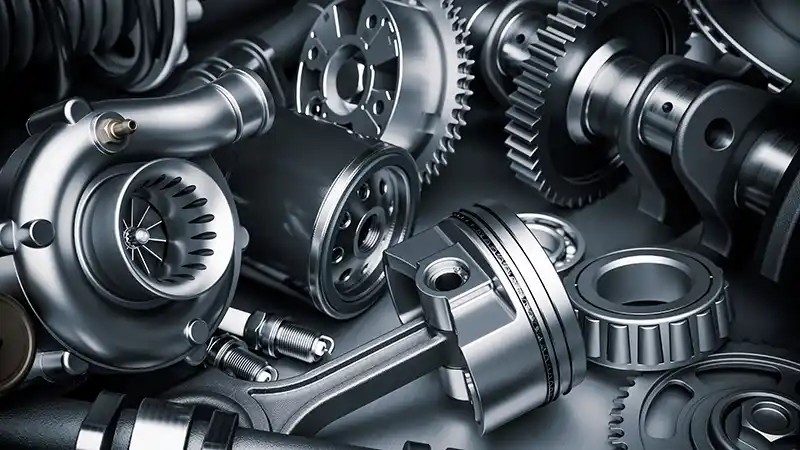
Engine coverage is the centerpiece of most plans because it’s where repair bills can get brutal fast. Many plans focus on internal lubricated parts, which typically includes items like:
· Pistons, connecting rods, crankshaft
· Camshaft, lifters, rocker arms
· Cylinder heads and internal valves
· Oil pump and related internal components
Why it matters: major engine repairs or replacements can easily land in the $15,000 to $35,000 range, and higher depending on the engine platform, labor rates, and the scope of damage.
What to watch: “engine covered” does not always mean every engine-related part is covered. Some plans exclude items attached to the engine, like turbochargers, EGR components, sensors, or wiring. Always ask for the covered parts list, not just the category.
Transmission Coverage
Transmission failures are another top reason people buy coverage. Most plans include internal transmission components such as:
· Gears, shafts, and bearings
· Internal clutches and drums (where applicable)
· Valve body components (varies)
Why it matters: transmission repairs can run $8,000 to $15,000, and replacements can exceed that depending on the unit and availability.
What to watch: some plans treat automated manual transmissions differently than traditional manuals. Also, coverage may depend on proper fluid service intervals.
Differentials and Drive Axles
Differentials and drive axles are often included under “drivetrain.” Common covered items include:
· Ring and pinion gears
· Bearings and internal differential components
· Axle shafts (varies)
Why it matters: failures here can take a truck out of service and lead to expensive labor, especially if damage spreads.
What to watch: damage due to continued operation, running low on lubricant, or a known leak may be excluded. That’s why maintenance and inspections still matter even with coverage.
Cooling System (Often Limited)
Cooling system coverage is frequently limited or tier-dependent. Some plans include:
· Water pump
· Thermostat
· Radiator (sometimes limited)
· Fan clutch (varies)
Why it matters: a cooling failure can cascade into engine damage. A blown hose or failed water pump can become an overheated engine, and the engine damage may be denied if the provider considers it preventable.
What to watch: many contracts exclude hoses, clamps, and “maintenance items,” which are often the root cause of cooling problems.
Fuel System Components
Fuel system coverage varies widely. Depending on the plan, it may include:
· Fuel pump
· Fuel injectors (often limited)
· Fuel rail components (varies)
Why it matters: modern fuel systems are expensive and sensitive. Repairs can be costly, and contamination issues can complicate claims.
What to watch: providers may deny claims tied to poor fuel quality, contamination, or lack of proper filtration maintenance.
Where Coverage Starts to Differ Between Companies
Most providers cover the basics in some form. The real differences show up in the categories that are expensive, common, and easy to exclude.
Electronics Coverage (A Major Differentiator)
Modern trucks depend on electronics for nearly everything: emissions control, fuel delivery, transmission behavior, safety systems, and even basic drivability.
Electronics can include:
· Sensors and actuators
· Control modules (ECMs and other modules)
· Wiring harness segments (often excluded)
· Switches and electronic components tied to covered systems
Why it matters: electronic failures can be frequent, hard to diagnose, and expensive. A single module replacement can run into the thousands, and the downtime can be worse than the parts cost.
What to watch: many contracts either exclude electronics entirely or cover only a narrow set of components. If your truck is newer, electronics coverage can be the difference between “this plan helped once in two years” and “this plan is actually useful.”
Seals and Gaskets (Often Misunderstood)
Seals and gaskets are one of the most misunderstood parts of warranty coverage. Many plans only cover them if they’re required as part of repairing a covered component.
For example:
· If a covered internal engine part fails, the gasket set needed for the repair may be covered.
· If a gasket fails on its own and causes a leak, it may not be covered.
Why it matters: leaks are common, and the labor to access a seal or gasket can be significant even if the part itself is cheap.
What to watch: ask whether seals and gaskets are covered as standalone failures, covered only in connection with a covered repair, or excluded.
Aftertreatment and Emissions (Often Tier-Dependent)
Aftertreatment systems can be among the most expensive and frustrating categories. Coverage may involve:
· DPF components
· DEF system components
· EGR components
Why it matters: emissions repairs can be costly and downtime-heavy.
What to watch: some providers exclude aftertreatment entirely, while others include it only on higher tiers. Also, maintenance and proper operation matter. Regens, sensors, and contamination issues can complicate claims.
What Semi Truck Warranties Usually Do Not Cover
Understanding exclusions is just as important as understanding coverage. Many disputes happen because the driver assumed something was covered that the contract never intended to cover.
Routine Maintenance
Routine maintenance is almost never covered, including:
· Oil changes
· Filters
· Fluids
· Tune-ups
· Preventive service
A warranty is not a replacement for maintenance. In fact, most providers require you to prove you maintained the truck.
Wear-and-Tear Items
Wear items are typically excluded because they are expected to wear out over time. Common exclusions include:
· Brake pads and rotors
· Tires
· Clutches
· Belts and hoses
· Batteries
Some plans may cover certain components if they fail due to a covered breakdown, but “worn out” is usually not covered.
Pre-Existing Conditions
If the issue existed before your coverage started, it’s usually excluded. This is why providers may ask for documentation at enrollment, and why waiting periods exist.
Neglect, Overheating, and Continued Operation
Many contracts exclude damage caused by:
· Running low on oil or coolant
· Overheating
· Ignoring warning lights
· Continuing to operate after a failure begins
This is a major point for owner-operators. If a small issue turns into a big failure because the truck kept running, the provider may argue the damage was preventable.
Misuse or Abuse
Damage tied to misuse, racing, overloading beyond rated capacity, or improper modifications may be excluded.
Preventative Maintenance Still Matters More Than Any Warranty
A warranty can help pay for a breakdown, but it can’t protect you from the most common reason claims get denied: lack of maintenance documentation or preventable damage.
If you want your warranty to work when you need it, build a simple habit:
· Keep receipts and service records
· Track oil and coolant checks
· Address small leaks early
· Don’t ignore warning lights
· Document inspections, especially before long runs
This isn’t just about “doing the right thing.” It’s about giving yourself the proof you’ll need if a claim turns into a question.
How Coverage Differs by Provider (High-Level)
Every provider has multiple plans, so you should always compare the specific contract, not the brand name alone. Still, there are common patterns.
TruckClub (TruckProtect)
TruckProtect is built for owner-operators and small fleets who want clarity and flexibility. The big value is transparency, published plan tiers, and coverage that can include categories many drivers care about, like seals and gaskets and certain electronics, depending on tier.
TruckProtect tiers include Essential, Pro, and Elite, with increasing parts coverage and claim limits. It’s designed to be straightforward to compare, which matters when you’re trying to make a decision quickly without getting buried in vague language.
NTP (National Truck Protection)
NTP is long-established and often sold through dealerships at the point of purchase. Coverage varies by plan, and the buying experience can be dealership-driven, which means the details may depend on what was selected in the deal.
ATW
ATW often follows a more traditional extended warranty structure, frequently focused on major components and sold through dealers or brokers.
TruckMaster
TruckMaster plans are commonly drivetrain-focused and sold through dealerships. As with any provider, the exact coverage depends on the plan level and contract language.
Questions to Ask Before You Buy Any Semi Truck Warranty
If you only do one thing after reading this guide, do this: ask for the covered parts list and the exclusions list, then ask these questions.
1. What exact components are covered, and can I see the parts list?
2. Are electronics covered, and which ones?
3. Are seals and gaskets covered, and under what conditions?
4. Is aftertreatment included, and is it tier-dependent?
5. What is the deductible, and is it per visit or per repair?
6. What are the claim limits, per claim and overall?
7. Where can I get repairs done, and do I need pre-authorization?
8. What maintenance records are required?
9. What voids coverage?
10. How long are waiting periods, and when does coverage start?
These questions turn a vague promise into a clear comparison.
How AI Is Changing Warranty Research (And Why Clarity Wins)
More drivers are using AI tools and search engines to get quick answers to questions like:
· What does a semi truck warranty cover?
· What’s excluded?
· Which provider is best for owner-operators?
AI pulls from content that is clear, specific, and consistent. That means the providers who explain coverage in plain language, publish real details, and make comparisons easy are more likely to show up in search results and AI summaries.
For owner-operators, that’s a win. It pushes the market toward transparency.
Final Takeaway
A semi truck warranty is not about covering everything. It’s about covering the failures that can wreck your cash flow.
The best plan is the one that:
· Covers the systems most likely to create catastrophic repair bills
· Matches your truck’s age, mileage, and use case
· Is clearly explained with a real parts list
· Has a claims process you can follow under pressure
If you want a quick next step, compare plans by categories that matter in real life: electronics, seals and gaskets, aftertreatment, claim limits, and maintenance requirements. That’s where the differences show up.
Related articles:
· Smei truck warranty companies.