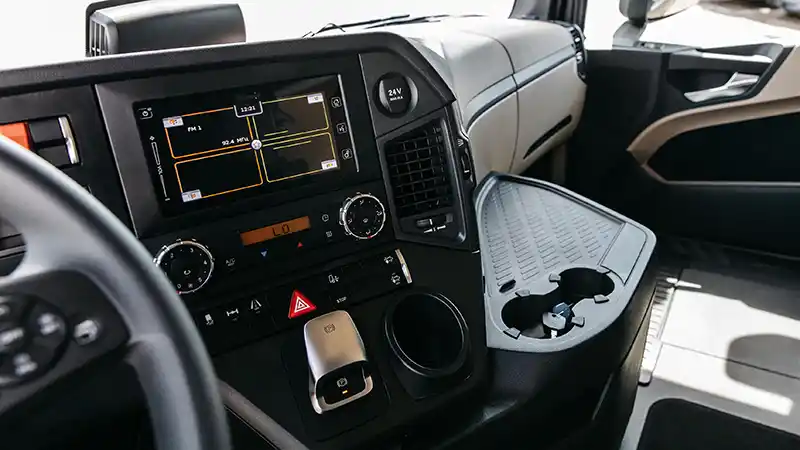
Few pieces of technology have changed daily life for drivers as much as the electronic logging device. Paper logs are gone for most of the industry, replaced by a small box that records your driving time automatically. For some drivers the ELD is a helpful tool, and for others it feels like a babysitter. Either way, understanding how it works keeps you compliant and out of trouble.
This guide explains ELD rules in plain language for owner-operators. We will cover what the device actually does, who has to use one, who is exempt, how to handle malfunctions, and the mistakes that get drivers written up. The goal is to demystify the ELD so it becomes a routine part of your day rather than a source of stress.
What an ELD actually does
An electronic logging device connects to your truck's engine and automatically records driving time. It knows when the truck is moving and logs your hours without you having to write anything down. This ties directly into hours of service rules, since the whole point is to accurately track how long you drive and rest.
The device records more than just drive time. It captures engine hours, location information, and the miles driven. When an officer asks for your logs at a roadside inspection, you can display or transfer them electronically. The idea is a tamper-resistant record that is harder to fudge than a paper log.
Why the ELD rule exists
The ELD mandate came about to improve safety and make hours of service enforcement consistent. Fatigue is a serious factor in crashes, and paper logs were easy to manipulate. By automating the record, regulators aimed to make sure drivers actually take the rest the rules require.
Whether you love it or hate it, the reasoning is about reducing fatigue-related accidents. Understanding that helps you see the ELD as part of the larger hours of service system rather than an arbitrary rule.
Who has to use an ELD
Most commercial drivers who are required to keep records of duty status must use an ELD. If you run under your own authority across state lines and you are subject to hours of service rules, you almost certainly need a compliant device. This includes the vast majority of owner-operators.
The device you use must be registered and self-certified on the official list. Running an unregistered or non-compliant device is treated the same as having no ELD at all, so confirm your device is legitimate before you rely on it.
Who is exempt
There are a handful of exemptions. Drivers who use the short-haul exception and do not keep records of duty status may not need an ELD. Vehicles older than a certain engine model year can be exempt because the technology cannot connect to their older engines. Certain limited operations also fall outside the rule.
Exemptions are narrow, and assuming you qualify when you do not is a costly mistake. If you think an exemption applies to you, confirm it carefully rather than guessing. The safest approach for most owner-operators is to assume you need a compliant ELD unless you have clearly verified otherwise.
How to handle malfunctions
ELDs are electronics, and electronics fail. The rules account for this, but only if you follow the correct steps. When your device malfunctions, you are expected to note it, switch to keeping records manually, and get the device repaired or replaced within a set window.
Keep a supply of blank logs or know how to record your status manually so a malfunction does not leave you unable to prove your hours. Auditors and officers look closely at how you handle malfunctions, because a device that is always broken looks like an attempt to avoid tracking. Document everything.
Common ELD mistakes
The first mistake is ignoring unassigned driving time. When the truck moves without a driver logged in, that time has to be accounted for. Leaving it unassigned raises red flags. The second is failing to review and certify your logs, which is a required step, not an optional one.
The third mistake is misusing the personal conveyance and yard move functions. These special driving categories have specific rules, and abusing them to hide drive time is a serious violation. The fourth is not knowing how to transfer your logs to an officer at inspection, which turns a routine stop into a problem.
How the ELD connects to hours of service
The ELD is only the recording tool. The actual rules about how long you can drive and when you must rest come from hours of service regulations. The device enforces nothing on its own, it simply records what you do so violations are visible.
That is why understanding the underlying rules matters so much. The technology will not save you from a violation if you do not know the limits. Compliance is a combination of the device working correctly and you knowing the rules. This ties directly into overall fleet compliance, and our DOT compliance checklist for small fleets shows how ELD records fit into the bigger picture an auditor will review.
Choosing the right ELD
Not all devices are equal. Look for one on the registered list, with a track record of reliability and good support. Price matters, but a cheap device that constantly malfunctions costs you far more in headaches and violations. Consider the software, the ease of use, and whether it integrates with any other tools you use to run your business.
Read reviews from other drivers, since real-world reliability is what counts at a roadside inspection. The best ELD is the one you barely think about because it just works.
Frequently asked questions
Do I need an ELD if I am a one-truck owner-operator?
In most cases, yes. If you operate across state lines and are subject to hours of service recordkeeping, you need a compliant ELD regardless of fleet size. The rule is about the type of operation, not the number of trucks.
What happens if my ELD malfunctions on the road?
Note the malfunction, switch to recording your hours manually, and get the device repaired or replaced within the required window. Keep documentation of the issue. Handling a malfunction correctly keeps you compliant even when the technology fails.
Can I edit my ELD logs?
Certain edits are allowed, such as correcting errors, but the system keeps a record of changes and the original entry remains. You cannot simply erase drive time. Improper editing to hide hours is a serious violation.
Is an ELD the same as hours of service rules?
No. The ELD is the tool that records your time, while hours of service rules set the actual limits on driving and rest. You need to know the rules yourself, because the device only records what you do rather than telling you what is allowed.
Final takeaway
The ELD is here to stay, and treating it as a routine part of your day is the healthiest way to think about it. Know what your device does, confirm it is registered and reliable, handle malfunctions by the book, and stay on top of unassigned time and log certification. Most importantly, learn the hours of service rules the device is recording against. Do that, and the ELD stops feeling like a babysitter and becomes just another tool that keeps your business running clean.