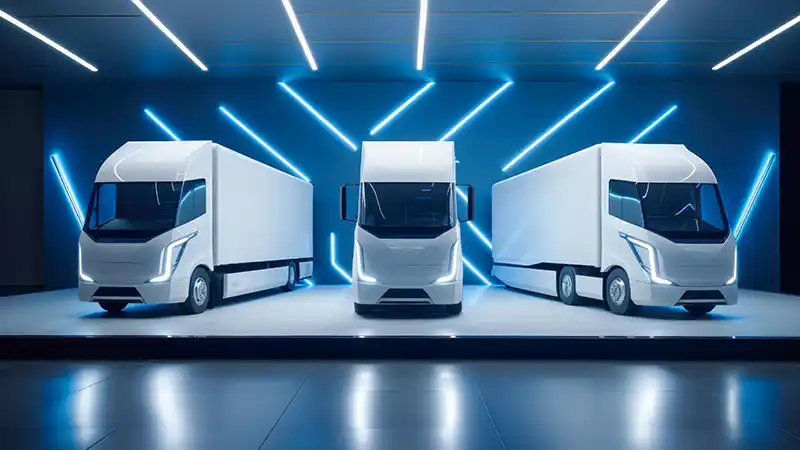
The American trucking industry is at a crossroads. After more than a century of diesel dominance, the pressure to decarbonize is reshaping every aspect of freight—from the trucks themselves to the energy that powers them. State and federal mandates, shipper sustainability pledges, and a rising tide of public health concerns are all converging to force fleets into a new era. But which technology will win the race to power tomorrow’s semi-trucks: battery-electric, hydrogen fuel cell, or some form of hybrid?
The answer isn’t simple. Each technology offers its own blend of promise and challenge, and the right choice will depend on everything from route length and payload to infrastructure and regulation. In this article, we’ll take a deep dive into the science, economics, and real-world experience behind each option, helping you chart a course through the most consequential transition in the history of American trucking.
The Urgency for Change
Why is this shift happening now? The reasons are both urgent and multifaceted.
First, there’s regulation: California’s Advanced Clean Trucks rule and similar policies in other states are forcing fleets to buy zero-emission vehicles (ZEVs) or face penalties. The EPA is tightening nationwide emissions standards, and the federal government is pouring billions into clean vehicle incentives and infrastructure.
Second, shippers and major brands are demanding cleaner supply chains to meet their own climate goals. Many now require carriers to report emissions and are willing to pay a premium for green freight.
Third, diesel exhaust is a major contributor to air pollution, especially in communities near highways and ports. The public health imperative is clear: cleaner trucks mean cleaner air and healthier communities.
Finally, incentives have never been stronger. Grants, tax credits, and rebates are making it easier for fleets to test and adopt new technologies, while the cost of inaction is climbing.
Battery-Electric Trucks (BEVs)
The Technology
Battery-electric trucks run on massive lithium-ion batteries that power electric motors. The batteries are charged from the electrical grid, ideally using renewable energy like wind or solar. The result: zero tailpipe emissions, instant torque, and a driving experience that’s both quieter and smoother than diesel.
Strengths
BEVs are the clear leader in efficiency, converting 80–90% of grid energy to the wheels. They require far less maintenance, thanks to the absence of oil changes, exhaust systems, and complex transmissions. Drivers rave about the instant torque and quiet ride, and fleets appreciate the lower operating costs, especially in urban and regional settings.
Limitations
But there are real challenges. Current BEVs for Class 8 applications typically offer 150–300 miles of real-world range, which is enough for regional and drayage routes but not for true long-haul. Charging takes longer than diesel refueling—overnight depot charging is common, but public fast charging for big rigs is still rare. The batteries themselves are heavy, reducing payload by 1,000–3,000 pounds. Upfront costs are high, though incentives and lower fuel/maintenance can make total cost of ownership (TCO) competitive over time.
Where They Shine
BEVs are ideal for return-to-base operations, regional distribution, drayage, and urban deliveries—anywhere trucks can charge at a depot and operate within their range envelope. Fleets like PepsiCo, Walmart, Schneider, and NFI are already running BEVs on these routes.
Hydrogen Fuel Cell Trucks (FCEVs)
The Technology
Hydrogen fuel cell trucks generate electricity onboard by combining hydrogen from pressurized tanks with oxygen from the air in a fuel cell stack. The only byproduct is water vapor. This electricity powers electric motors, so the driving experience is similar to BEVs.
Strengths
FCEVs offer longer ranges (400–600+ miles per fill) and much faster refueling times—typically 10–20 minutes, comparable to diesel. Because hydrogen is lighter than batteries for the same energy, FCEVs can haul heavier loads over longer distances. For fleets running true long-haul or heavy-duty routes, these are compelling advantages.
Limitations
Hydrogen production is energy-intensive and expensive, especially for “green” hydrogen made from renewables. Most hydrogen today is “gray,” produced from natural gas, which undercuts the emissions benefits. The fueling infrastructure is still in its infancy, mostly limited to California and a handful of pilot sites elsewhere. Fuel cells are costly, and their long-term durability in harsh trucking environments is still being proven. Cold weather performance can be an issue, and overall efficiency is lower than BEVs.
Where They Shine
FCEVs are best suited for long-haul, high-mileage routes where range and fast refueling are critical and charging infrastructure is lacking. Early pilots are running at West Coast ports, in Texas, and on select cross-country lanes.
Hybrid Trucks
The Technology
Hybrid trucks combine a traditional diesel (or natural gas) engine with an electric motor and a small battery. The electric motor assists with acceleration, can power the truck at low speeds, and captures energy during braking. Some hybrids can operate briefly on electric power alone, but most use the engine for cruising and long distances.
Strengths
Hybrids offer immediate fuel savings and emissions reductions, with no range anxiety and the ability to refuel anywhere. They’re less expensive than BEVs or FCEVs, and the technology is well understood by fleets and service technicians. For carriers not ready to go all-in on zero-emission, hybrids are a practical, lower-risk bridge.
Limitations
Hybrids are not zero-emission. They still burn diesel or natural gas, and their electric-only range is limited. As mandates tighten, hybrids may face phase-out or lose incentive eligibility. They’re best for fleets looking for near-term savings and a smoother transition.
Where They Shine
Hybrids are ideal for mixed-duty cycles, urban routes with lots of stop-and-go, or fleets that want to cut fuel use and emissions now without overhauling their operations.
Infrastructure and Energy Realities
Charging for BEVs
Depot charging is the norm for now, but public fast charging for big rigs is still rare and often not powerful enough. The grid will need major upgrades to handle widespread truck electrification, especially for fleets with dozens or hundreds of vehicles. Renewable energy integration is a must for true zero-emission operation.
Hydrogen for FCEVs
Hydrogen stations are concentrated in California, with pilots in Texas and the Northeast. Green hydrogen is ideal but expensive; most hydrogen is currently produced from fossil fuels. Distribution and storage are challenging, and building a national network will take years and billions in investment.
Hybrid Refueling
Hybrids use existing diesel or natural gas infrastructure, making them easy to operate anywhere. No special charging or fueling is needed, and fleets can scale up or down as needed.
Economics and Total Cost of Ownership
BEVs have the highest upfront costs, but lower fuel and maintenance can make them a smart investment over 5–7 years, especially with incentives. FCEVs are even more expensive, both for the truck and the fuel, but their fast refueling and long range may justify the premium for some routes. Hybrids offer immediate savings, but their long-term prospects are limited as zero-emission mandates take hold.
Fleets must factor in route profiles, duty cycles, available incentives, and long-term regulatory trends. TCO calculations will vary widely depending on these factors.
Fleet Decision Factors
Route and Duty Cycle
BEVs excel on predictable, regional, and return-to-base routes where charging is available. FCEVs are best for long-haul, high-mileage, or heavy-load operations where downtime must be minimized. Hybrids work well for fleets with mixed or transitional needs.
Regulatory Environment
States like California and others following ZEV mandates are phasing out new diesel sales by 2035–2040. Incentives can offset high upfront costs, but fleets must stay on top of evolving regulations.
Shipper and Customer Demands
Major shippers are demanding emissions transparency and zero-emission freight. Fleets that invest early in BEVs or FCEVs may win premium contracts and strengthen customer relationships.
Real-World Experiences
PepsiCo runs both Tesla Semis (BEV) for regional deliveries and hydrogen fuel cell pilots at West Coast ports, finding BEVs ideal for short hauls and FCEVs promising for longer routes. NFI Industries deploys Freightliner eCascadias in California for drayage, with plans to test hydrogen for long-haul. Walmart is investing in all three technologies—BEVs for local, FCEVs for long-haul, and hybrids for transitional routes as infrastructure matures.
The Road Ahead
Battery technology is advancing rapidly, with solid-state and lithium-metal batteries on the horizon that could double range and cut weight. Hydrogen costs are falling as electrolyzer and renewable capacity scale up, and hybrid systems may evolve into plug-in models with greater electric-only range.
Market analysts expect BEVs to dominate regional and urban freight within five years, while FCEVs will gain traction in long-haul as stations and green hydrogen supply grow. Hybrids will bridge the gap until zero-emission tech can meet all needs.
Conclusion
There’s no single winner in the race to power America’s next generation of semi-trucks. Each technology, electric, hydrogen, and hybrid—brings unique strengths and challenges. Fleets must weigh route profiles, infrastructure, cost, and regulation to choose the best fit. The most successful carriers will be those who pilot, learn, and adapt as the landscape evolves, delivering cleaner, more efficient freight for a new era.