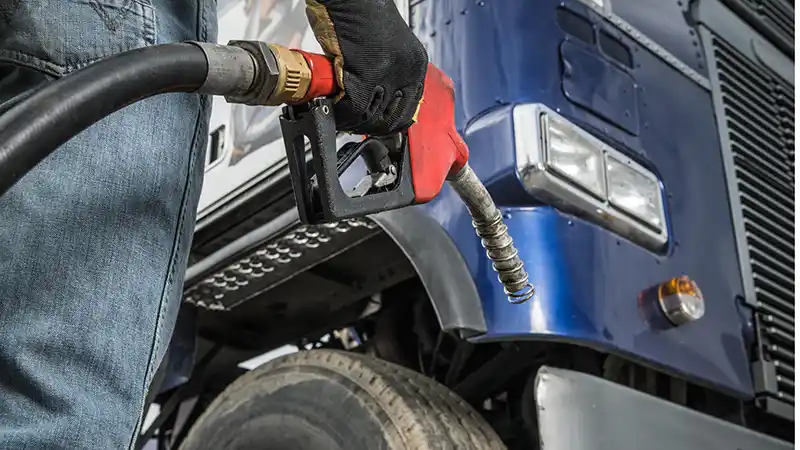
Fuel is the biggest variable cost most owner-operators face. It rises and falls with the market, it eats into every load, and it is the one major expense you can actually influence day to day through your habits and choices. Two drivers running the same lane in the same truck can have very different fuel bills, and the difference is skill and strategy.
This guide covers practical fuel cost management strategies that stretch every gallon without cutting corners on safety or service. We will look at fuel cards, smart buying, routing, driving habits, and truck maintenance. None of these are magic on their own, but together they protect your margin in a real, measurable way.
Why fuel deserves your attention
Because fuel is such a large share of your costs, even small percentage improvements translate into real money over a year of running. Shaving a fraction off your fuel spend per mile, multiplied across all your miles, adds up faster than almost any other single change you can make.
Fuel is also a core part of your cost per mile. If you do not track what you spend on fuel per mile, you cannot judge which loads are profitable. Managing fuel and knowing your numbers go hand in hand, and our cost per mile breakdown shows exactly how fuel fits into the bigger picture.
Use a fuel card program
Fuel cards are one of the easiest wins available. Many card programs offer discounts at partner truck stops, which can meaningfully lower your cost per gallon. They also track your purchases automatically, which makes both your bookkeeping and your IFTA reporting far easier.
Compare programs, because the discounts, network of locations, and fees vary. The best card for you depends on where you run and where you fuel. Used well, a good fuel card pays for itself many times over through pump discounts and simplified record keeping.
Buy fuel strategically
Where you buy fuel matters more than most new drivers realize. Fuel prices vary widely by location and by state, partly because of differing fuel taxes. The pump price is not the whole story either, since the state tax you pay is reconciled through IFTA.
The smart move is to think about your effective cost after taxes and discounts, not just the sticker price. Plan your fueling around your route so you buy where it makes the most sense, and avoid running your tank to empty in an expensive area where you have no choice but to overpay. A little planning ahead of a trip keeps you from being cornered into bad fuel stops.
Route smarter to burn less
Every extra mile burns fuel, so efficient routing directly lowers your fuel bill. Deadhead miles, where you run empty to a pickup, are especially painful because you burn fuel with no revenue. Minimizing empty miles is one of the most effective fuel strategies there is.
Plan your loads so your trips connect efficiently. Avoid backtracking and unnecessary detours. Good routing not only saves fuel but also saves time, which protects your hours of service window. Booking freight that keeps you loaded in efficient lanes is as much a fuel strategy as anything you do at the pump.
Driving habits that save fuel
How you drive has an enormous impact on fuel economy. The techniques are simple, but they take discipline to apply consistently.
Slow down
Fuel economy drops significantly at higher speeds because of wind resistance. Backing off your speed even a little can noticeably improve your miles per gallon. The time you lose is small, and the fuel you save is real.
Smooth acceleration and braking
Hard acceleration and heavy braking waste fuel. Anticipate traffic, coast when you can, and drive smoothly. A steady, smooth driving style turns momentum into miles instead of wasting it as heat in your brakes.
Manage idling
Idling burns fuel while going nowhere. While there are times idling is necessary for comfort or safety, cutting unnecessary idle time saves fuel and reduces wear on your engine. Excessive idling is a quiet drain on both fuel and equipment life.
Maintain your truck for efficiency
A well maintained truck burns less fuel. Properly inflated tires, a clean air filter, and a healthy engine all contribute to better mileage. Neglected maintenance quietly costs you at the pump long before it causes a breakdown.
Tire pressure is an easy one to overlook and one of the most impactful. Underinflated tires increase rolling resistance and drink fuel. Regular maintenance protects both your fuel economy and your uptime, which is why our guide on preventative maintenance for semi trucks pairs so well with fuel management.
Reduce aerodynamic drag
Air resistance is a major fuel enemy at highway speeds. Keeping your truck and trailer aerodynamically clean, closing gaps where practical, and removing unnecessary drag all help. Small aerodynamic improvements add up over thousands of highway miles.
Common fuel management mistakes
The first mistake is buying fuel purely on sticker price without considering taxes and discounts. The second is ignoring driving habits, which are often the biggest lever of all. The third is neglecting maintenance that quietly kills mileage. The fourth is poor routing that piles on deadhead and wasted miles.
The biggest mistake is treating fuel as a fixed cost you cannot control. It is the opposite. Fuel is the cost you have the most daily influence over, and the owners who take it seriously keep a real edge on the ones who do not.
Frequently asked questions
Do fuel cards really save money?
Yes, for most owner-operators. Good fuel card programs offer per-gallon discounts at partner locations and automate your purchase tracking, which also simplifies IFTA. Compare programs to find the one that matches where you run and fuel.
What single habit saves the most fuel?
Slowing down is often the biggest lever, because fuel economy drops sharply at higher speeds. Combined with smooth acceleration and reduced idling, driving habits frequently save more than any other single strategy.
Should I always buy the cheapest fuel I can find?
Not exactly. Consider your effective cost after discounts and the fuel tax reconciliation through IFTA, not just the sticker price. Plan your fueling around your route so you are never forced to overpay because your tank is empty in an expensive area.
Does maintenance really affect fuel economy?
Significantly. Underinflated tires, a dirty air filter, and a poorly running engine all lower your mileage. Regular maintenance protects both your fuel economy and your uptime, making it one of the most cost-effective habits you can build.
Final takeaway
Fuel is your largest controllable cost, and managing it well protects your margin load after load. Use a fuel card program, buy strategically with taxes and discounts in mind, route to minimize empty miles, drive smoothly and a little slower, and keep your truck maintained. None of these are complicated, but applied together and consistently, they add up to serious savings over a year. Treat fuel as something you actively manage, not something that just happens to you, and it becomes one of your biggest advantages.