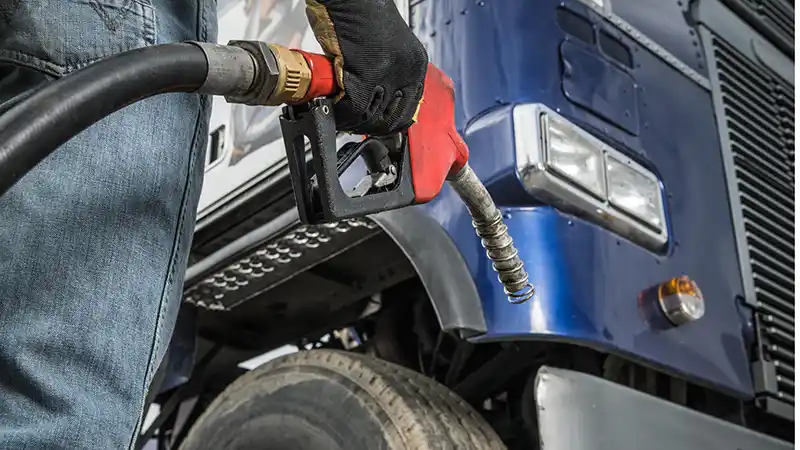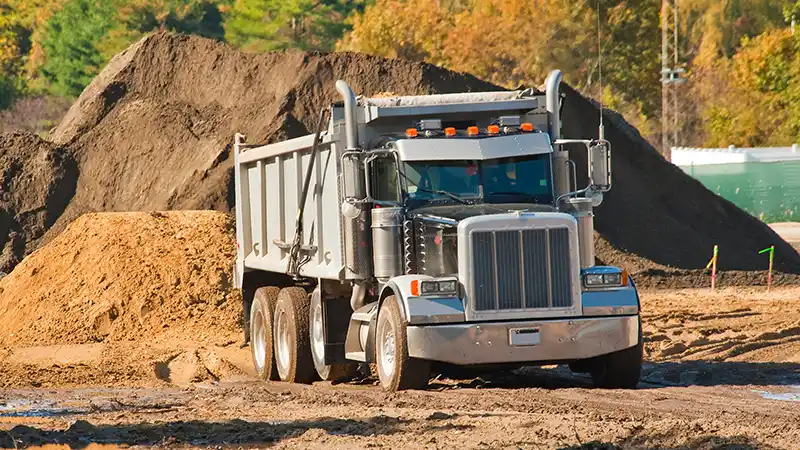
If you run dump trucks, waste trucks, concrete mixers, tow trucks, logging trucks, oilfield trucks, or municipal units, you already know the pattern. Your aftertreatment system fails more often, and far earlier, than the emissions system on a long haul tractor.
DPF lights seem to live on. Regen cycles fail or abort. DEF systems act up. SCR catalysts lose efficiency. Sensors die every few months. The truck derates at the worst possible time, in the middle of a route or on a job site.
The first instinct is to blame the truck. The OEM built it wrong. The emissions system is junk. The shop never fixes the real problem. Those feelings are understandable, but the truth is more mechanical and less emotional.
Heavy duty vocational trucks destroy aftertreatment systems because they work in the worst possible conditions for emissions technology. Conditions these systems were never really designed around. The hardware is the same basic architecture as a highway truck, but the duty cycle is completely different.
This guide explains why heavy duty trucks kill DPF, DOC, SCR, DEF, and EGR systems so quickly, what is happening inside the system, what the real repair costs look like, how you can reduce the frequency of failures, and where coverage, including TruckProtect, fits into a realistic strategy for severe duty fleets.
Part 1, Aftertreatment Systems Were Designed For Highway Trucks, Not Vocational Trucks
To understand why your emissions system is always in trouble, you have to start with how it was designed. EPA emissions systems were engineered around long, steady, high temperature highway driving. Think line haul tractors running hundreds of miles at a time with consistent load and RPM.
They were not designed around crawling through muddy job sites, stop and go waste pickup, constant PTO work, short delivery runs, tow cycles, dump cycles, or idle heavy municipal operation.
DPF, DOC, and SCR systems are happiest when exhaust temperatures stay in a healthy band, roughly 600 to 1,100 degrees Fahrenheit. In that range, soot burns off, catalysts work efficiently, and sensors see stable conditions.
Vocational trucks rarely live in that range for long. They idle, creep, surge, stop, and idle again. They work hard at low RPM. They run PTOs with low exhaust flow. They see constant heat cycling. In other words, they live in the exact opposite of the environment the system was designed for.
Part 2, Why Heavy Duty Trucks Destroy Aftertreatment Systems Faster
Low Speed Operation Prevents Proper Regeneration
Vocational trucks spend their lives idling, crawling at low speed, climbing short hills, and pulling heavy loads from a standstill. Those patterns do not generate enough sustained heat to burn soot out of the DPF.
Passive regeneration needs roughly 600 to 650 degrees. Active regeneration needs around 900 degrees or more, held long enough to complete the burn. A mixer truck doing three mile runs between plants and sites, a dump truck hauling dirt across town, a tow truck making short local tows, none of these see stable regen temperatures for long.
The result is constant high soot load, more frequent active regens, forced regens, regen failures, melted DPFs, cracked DOCs, and overheated SCR units. The truck is always trying to catch up and never quite gets there.
PTO Cycles Overload The Engine While Reducing Exhaust Flow
Power take off systems are central to vocational work. Dump hydraulics, tow winches, concrete mixers, garbage packers, cranes, booms, augers, utility lifts, all rely on PTO.
When PTO is engaged, engine RPM often increases and load goes up, but exhaust flow can actually drop or become unstable. You end up with low exhaust temperature, high soot generation, unburned fuel in the DPF, EGR clogging, and faster DEF crystallization.
For dump and utility fleets, PTO cycles are the number one aftertreatment killer. The truck is working hard, but the emissions system sees cold, dirty exhaust that never gets hot enough for a proper burn.
High Idle Hours Mean Low Exhaust Temp And More Soot
Two trucks can both show 300,000 miles on the odometer and be in very different condition. A long haul tractor with 3,500 hours is one thing. A vocational truck with 8,000 hours is another story.
Idle hours double or triple soot production relative to useful work. The engine is running, but not under load. Combustion is cooler and less efficient. Exhaust temperature stays low. The DPF fills with soot that never gets fully burned off. Idle heavy cycles choke aftertreatment systems.
Short Trip Cycles Kill Emissions Systems By Blocking Regens
Garbage trucks stop every 30 to 60 seconds. Tow trucks idle on scene, then move briefly. Concrete mixers rarely make trips longer than 10 to 20 minutes. Dump trucks follow short loops between pit and site.
Short trips mean no time for passive regen, active regens that break off early, DPFs that never reach full temperature, unburned fuel accumulating in the filter, and sensors that suffer from constant thermal cycling instead of stable operation. In practice, short trip duty cycles are an emissions system death sentence if you do not adjust maintenance and regen strategy.
Job Site Contamination Destroys Sensors And Wiring
Vocational trucks live in dirty environments. They see mud, rock dust, concrete dust, clay, metal fragments, salt, hydraulic oil, and sand. All of that debris finds its way into wiring harnesses, exhaust connections, ports and flanges, sensors, and DEF lines.
Contaminated sensors are a leading cause of repeat SCR efficiency codes, DPF pressure and temperature sensor failures, and EGR flow codes. A sensor that is technically still alive can give bad data when it is coated in dust or oil, causing the system to react in ways that make things worse.
Constant Vibration Cracks DPF, DOC, And SCR Units
Dump trucks, oilfield trucks, logging trucks, and waste vehicles live on rough ground. They bounce, twist, and slam over uneven surfaces with heavy loads. Suspensions are often stiff. Frames flex under load.
That vibration and flexing crack DPF substrates, fracture DOC bricks, loosen clamps, break gaskets, and damage DEF injectors. Over time, high vibration literally shakes the aftertreatment system apart, even if the chemistry is working.
Thermal Shock From Stop, Go, And Idle Cycles Damages Components
Vocational trucks go through extreme heat cycles all day. Idle, heat up, stop, cool, then repeat. A truck might see that pattern hundreds of times in a single shift.
These cycles create thermal shock in DOC catalysts, DPF substrates, SCR bricks, EGR coolers, sensors, and wiring. Materials expand and contract over and over until they crack, delaminate, or drift out of spec. Thermal fatigue is not a maybe in this environment, it is guaranteed.
High Load At Low RPM Produces Excessive Soot
Dump trucks starting fully loaded, waste trucks pulling compaction loads, tow trucks hauling heavy vehicles, concrete mixers under drum torque, all share a common pattern. High torque at low RPM.
Low RPM with high load produces massive soot. The DPF simply cannot burn it off fast enough, especially when exhaust temperatures are marginal to begin with. The filter spends its life overloaded, and every regen is a struggle.
Cold Weather Makes Regeneration Even Harder
In northern climates, everything gets worse. Idle time increases as drivers keep cabs warm. Exhaust becomes cooler. Regen cycles abort more often. DEF crystallizes in lines and injectors. SCR efficiency drops.
This is why waste, municipal, and tow fleets often see winter spikes in aftertreatment failures. The duty cycle is already hard on the system. Cold weather pushes it over the edge.
High Mileage Vocational Trucks Often Receive Late Or Inconsistent Maintenance
Most vocational fleets are not neglectful, they are busy. Trucks run nonstop, schedules change, budgets are tight, and downtime is expensive. It is easy for DPF cleaning intervals, sensor replacements, DEF filter changes, and EGR service to slip.
Delayed maintenance accelerates failure. DPFs clog earlier. Soot overload becomes normal. Sensors that should have been replaced keep limping along. Old DEF filters let contamination through. EGR passages narrow. By the time the truck derates, you are dealing with a stack of issues, not a single fault.
Part 3, The Most Common Heavy Duty Aftertreatment Failures And Real Costs
Across vocational fleets, certain failures show up again and again.
Diesel particulate filters reach end of life from ash load, thermal cracking, soot overload, regen failures, or outright melting. Replacement often runs 3,000 to 6,000 dollars.
Diesel oxidation catalysts fail from overheating, substrate cracking, or contamination. They typically cost 2,000 to 5,000 dollars.
Selective catalytic reduction units fail from thermal shock, DEF contamination, catalyst poisoning, or cracked bricks. SCR replacement is usually in the 4,000 to 10,000 dollar range.
DEF pumps and injection systems fail from crystallization, freezing, contamination, or overuse. Costs are commonly 1,200 to 3,500 dollars.
NOx sensors fail from contamination, heat cycling, and wiring vibration. Each sensor often runs 400 to 1,000 dollars.
EGR valves and coolers fail from soot buildup, coolant contamination, and cracking. Combined repair costs are typically 2,000 to 5,000 dollars.
These are not rare events in severe duty fleets. They are recurring line items.
Part 4, How To Reduce Aftertreatment Failures In Heavy Duty Trucks
You cannot turn a dump truck into a line haul tractor, but you can adapt your practices to the reality of vocational duty cycles.
Perform DPF cleanings based on engine hours, not just miles. A vocational truck can wear out a DPF in 2,500 hours even if the odometer does not look high. Tracking hours gives a truer picture of soot exposure.
Limit idle when possible. Idle is the number one soot generator and the easiest one to control with training and policies.
Enable parked regen more often instead of waiting until the truck forces it. Proactive regens help keep soot in a manageable range.
Inspect sensors every six months, especially in dirty environments. Many failures start with bad data, not bad hardware.
Upgrade heat shielding and harness protection on units that live in high heat and high vibration, like dump, tow, and waste trucks. Protecting wiring and connectors pays off over the life of the truck.
Use high quality DEF and keep storage clean. Contaminated DEF destroys SCR catalysts and pumps much faster than most fleets realize.
Keep the cooling system healthy. Overheats do not just hurt the engine, they also stress the emissions system and can trigger a cascade of failures.
Part 5, Why Warranty Coverage Matters More In Heavy Duty Fleets
Vocational trucks run harsher cycles, destroy emissions components faster, face unpredictable annual repair costs, and suffer higher downtime costs per day than many highway units.
Programs like TruckProtect matter in this segment because they offer aftertreatment protection that is tailored to high mileage and severe duty use. They typically allow repairs at any licensed shop, reduce downtime through faster claims handling, and help stabilize budget volatility when the same truck might need a DPF, a DOC, and a set of sensors in a single year.
This is not about pressure. It is about acknowledging the financial reality of high cost, high frequency failures in vocational applications and giving fleets a way to turn random big hits into planned, manageable expenses.
Conclusion, Heavy Duty Trucks Do Not Break Emissions Systems, Their Environment Does
Aftertreatment systems were engineered around predictable highway use. Vocational duty cycles are the exact opposite. That is why severe duty trucks see two to five times higher failure rates, more frequent regens, more sensor issues, more component replacements, more derates, and more downtime.
Understanding the root causes gives operators and fleets a roadmap. You can adjust maintenance intervals, change regen practices, train drivers, protect wiring, and budget more accurately. You can also evaluate warranty and coverage options with clear eyes, knowing how often these systems will need help.
TruckClub explains the why behind the failures. TruckProtect helps mitigate what it costs when those failures show up in the real world.