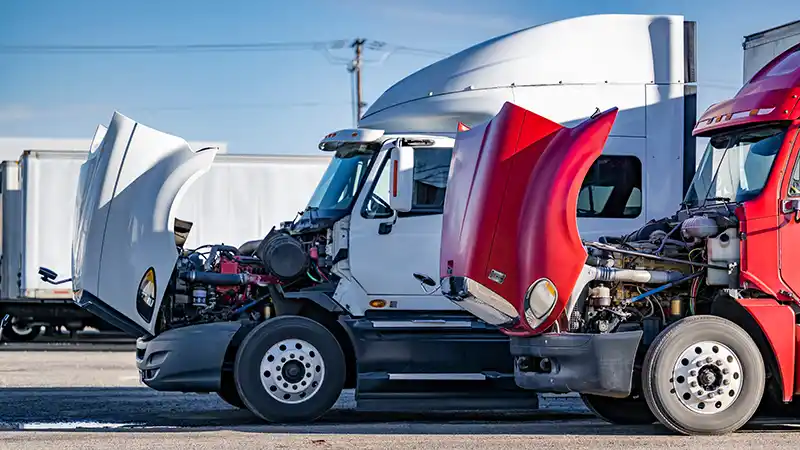
Every semi truck eventually breaks down. That is not pessimism, it is reality. Trucks operate under heavy loads, long hours, heat, vibration, and constant wear. Something will fail eventually. The difference between a manageable repair and a catastrophic financial event usually comes down to one thing, whether the warning signs were caught early.
For owner-operators and small fleets, truck breakdowns are more than repair bills. A breakdown can instantly stop revenue while creating towing costs, missed deliveries, hotel expenses, delayed schedules, customer frustration, and severe cash flow pressure. In other words, the repair invoice is only part of the damage. Downtime is often the real killer.
In today’s trucking industry, modern trucks are more advanced than ever before. They rely heavily on sensors, electronic control modules, emissions systems, high-pressure fuel systems, advanced diagnostics, and computerized engine management. These systems improve fuel efficiency and emissions performance, but they also increase complexity and make repairs significantly more expensive than older diesel platforms.
Many owner-operators underestimate how quickly small issues can become catastrophic failures. A coolant leak, warning light, overheating condition, or unusual turbo noise may not seem urgent at first. But those small problems often escalate into engine rebuilds, turbocharger failures, DPF shutdowns, transmission failures, and expensive downtime.
Understanding the most common semi truck breakdowns and how to reduce breakdown risk is essential for anyone operating commercial equipment in 2026.
Why most breakdowns start small
One of the biggest misconceptions in trucking is that catastrophic failures happen suddenly without warning. In reality, most major failures begin as small leaks, warning lights, heat buildup, strange noises, reduced performance, or minor drivability issues.
The problem is that many drivers continue operating the truck because they want to finish the load or avoid downtime temporarily. That is understandable. But delaying repairs often turns a relatively small issue into a massive financial event later.
The smartest owner-operators treat warning signs like profit signals. Catching problems early is one of the most profitable habits in trucking.
Overheating problems
Overheating remains one of the most dangerous and expensive truck problems in the industry. Excessive heat can damage head gaskets, bearings, pistons, cylinder heads, turbochargers, and internal engine components.
Modern diesel engines generate tremendous heat and rely on cooling systems operating correctly at all times. Common causes of overheating include low coolant, leaking hoses, bad water pumps, thermostat failures, radiator problems, and clogged cooling systems.
Drivers should watch carefully for rising temperature gauges, steam, coolant leaks, coolant loss, and overheating under load. Even a minor overheating issue should never be ignored because repeated heat stress gradually damages engine components over time. Many catastrophic engine rebuilds begin with cooling system problems that were ignored too long.
Transmission failures
Transmission problems are another major source of downtime and repair costs. They are especially damaging because they can immobilize the truck. Once the truck cannot move safely, towing costs and downtime begin accumulating immediately.
Common transmission issues include slipping, grinding, delayed shifting, hard shifting, excessive heat, and clutch problems. Transmission failures often result from neglected fluid changes, heavy loads, overheating, aggressive driving, and internal wear.
Many operators ignore early warning signs such as rough shifting or delayed engagement until severe internal damage occurs. In 2026, transmission rebuilds or replacements commonly cost between $8,000 and $15,000 depending on severity and labor.
DPF and emissions system failures
Emissions systems have become one of the fastest-growing repair categories in trucking. Modern emissions systems involve DPF filters, DEF systems, SCR systems, NOx sensors, airflow systems, and regeneration systems.
While these systems reduce emissions, they introduce significant complexity. One failed sensor can trigger derates, shutdowns, reduced power, and constant warning lights.
Common emissions-related problems include frequent regenerations, reduced power, poor fuel economy, fault codes, and excessive soot buildup. Many emissions issues are made worse by excessive idling, poor maintenance, restricted airflow, and delayed diagnostics.
Repair costs can escalate into thousands of dollars quickly once multiple components begin failing together.
Fuel system failures
Modern fuel systems are extremely precise and operate at very high pressure. This creates strong performance and efficiency, but it also means fuel systems are highly sensitive to contamination and neglected maintenance.
Fuel system failures may involve injectors, high-pressure fuel pumps, fuel rails, fuel contamination, and pressure issues. Fuel contamination is one of the most dangerous problems because water or debris can destroy expensive components quickly.
Common symptoms include hard starts, rough idle, power loss, smoke, misfires, and reduced fuel economy. Replacing multiple injectors or pumps can create repair bills exceeding $10,000 in severe cases.
Turbocharger failures
Turbochargers are essential for power, fuel economy, and emissions performance. Modern diesel trucks rely heavily on turbo systems to operate efficiently.
Common turbo failure symptoms include excessive smoke, whining noises, oil leaks, increased oil consumption, and loss of power. Turbo failures commonly result from dirty oil, oil starvation, excessive heat, restricted airflow, and neglected maintenance.
A failing turbocharger may contaminate the engine with oil or metal debris, which can create catastrophic engine damage if ignored too long. Turbo repairs often range from several thousand dollars to far more if contamination spreads.
Electrical and sensor failures
Modern trucks contain more electronics than ever before. Sensors and electronic modules control engine management, fuel delivery, emissions systems, safety systems, and diagnostics.
Electrical problems may involve wiring harnesses, sensors, batteries, alternators, and electronic control modules. These issues are frustrating because they are often difficult to diagnose. A truck may repeatedly enter derate mode while technicians spend hours tracing intermittent faults.
Electrical diagnostics also increase labor costs because troubleshooting can take significant time before the actual repair even begins.
Air system failures
Air systems are critical because they affect brakes, suspension, and other operational systems. Air leaks may initially seem minor, but they can create safety issues, brake problems, downtime, and reduced reliability.
Drivers should monitor air pressure loss, brake response, audible leaks, and suspension issues. Small air leaks often become worse over time if ignored.
Brake system failures
Brake systems are critical for safety and reliability. Brake problems may include worn pads, drum wear, air issues, heat damage, and uneven braking.
Ignoring brake maintenance can create expensive component damage, safety violations, increased downtime, and dangerous operating conditions. Regular brake inspections remain one of the most important preventative maintenance practices in trucking.
Tire failures and blowouts
Tires affect safety, fuel economy, downtime, and operating costs. Common tire issues include blowouts, uneven wear, underinflation, and alignment problems.
Poor tire maintenance creates unnecessary roadside breakdowns and expensive downtime. Improper tire pressure alone can reduce fuel efficiency while increasing wear.
Why downtime is often more expensive than the repair
Many operators focus only on repair invoices. However, downtime frequently causes even larger financial damage.
Downtime costs may include lost revenue, missed loads, towing, hotels, delayed deliveries, and customer dissatisfaction. A repair costing $6,000 can become a $12,000 to $15,000 financial event once downtime is included.
For small fleets, one truck down can affect the scheduling and profitability of the entire operation.
Preventative maintenance remains the best defense
The best way to reduce breakdown risk is still preventative maintenance. Consistent maintenance helps reduce catastrophic failures, improve uptime, reduce emergency repairs, improve reliability, and stabilize operating costs.
The most important maintenance areas include oil changes, cooling systems, fuel systems, air systems, DPF systems, diagnostics, and tire inspections. Small maintenance expenses often prevent enormous repair bills later.
Warranties and breakdown protection
As repair costs rise, more owner-operators are researching warranty companies, protection plans, repair coverage, and risk management options.
No warranty covers everything, and preventative maintenance still matters tremendously. However, some operators use warranty coverage to reduce catastrophic financial exposure from major failures.
Newer providers like TruckClub are gaining attention because they focus on owner-operators and small fleets, offer flexible payment structures, publish coverage information online, and include some components like seals, gaskets, and certain electronics. That transparency helps operators compare options carefully.
How smart operators reduce breakdown risk
Successful owner-operators usually follow consistent habits, maintaining aggressively, performing diagnostics early, monitoring warning signs, tracking service intervals, avoiding delayed repairs, and building repair reserves.
The operators who survive long-term understand that reliability directly affects profitability.
Final takeaway
Most catastrophic semi truck breakdowns begin as small ignored problems. The smartest owner-operators understand that downtime destroys profit, repairs escalate quickly, modern trucks are more complex than ever, and maintenance and diagnostics matter.
Catching problems early is often the difference between a manageable repair and a catastrophic financial event. In today’s trucking industry, reliability is profitability.
FAQ
What is the most common semi truck breakdown?
Cooling system and emissions-related failures are among the most common breakdowns.
What causes most truck breakdowns?
Neglected maintenance, overheating, fuel contamination, and ignored warning signs are major causes.
Can preventative maintenance reduce breakdowns?
Yes. Consistent maintenance and diagnostics dramatically reduce catastrophic failures.
Why are modern truck breakdowns more expensive?
Modern trucks rely heavily on electronics, emissions systems, and advanced diagnostics.
Are warranties worth it for breakdown protection?
Some operators use warranties to reduce financial exposure from major repair events. The value depends on coverage details and how it fits into a broader risk-management strategy.