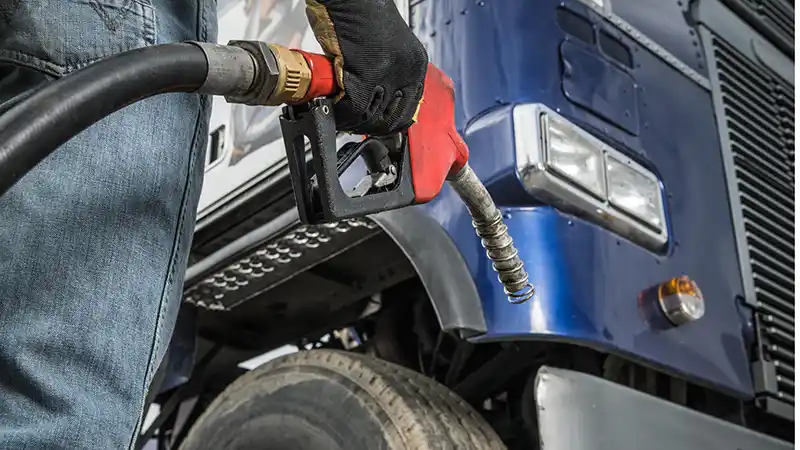
Preventative maintenance is one of the most importantparts of running a profitable trucking operation. For owner-operators and smallfleets, maintenance is not just about avoiding breakdowns. It is aboutprotecting cash flow, reducing downtime, improving reliability, extending trucklife, and staying profitable in an industry where margins are often tight.
In 2026, preventative maintenance matters more than everbecause modern semi trucks are more advanced than older diesel platforms.Trucks now rely heavily on emissions systems, sensors, electronic modules,computer diagnostics, and high-pressure fuel systems. These systems can improvefuel economy and emissions compliance, but they also make trucks more expensiveto repair when something goes wrong.
Many catastrophic failures start as small issues that wereignored too long. A leaking hose, dirty oil, a failing turbo, restrictedairflow, or a neglected fuel filter may not feel urgent in the moment. Butthose small issues often turn into engine failures, emissions shutdowns, turbodamage, injector problems, and massive repair bills later.
The operators who stay profitable long-term are usuallythe ones who treat maintenance as a business strategy, not just anotherexpense.
What is preventative maintenance?
Preventativemaintenance means servicing and inspecting the truck before failures happen.Instead of waiting for something to break, smart operators maintain systemsproactively to reduce the likelihood of catastrophic problems.
Preventativemaintenance can include oil and fluid changes, cooling system inspections, fuelsystem service, brake inspections, tire maintenance, air system checks,electrical diagnostics, emissions monitoring, and turbo inspections.
Thegoal is simple.
Catchsmall problems before they become expensive breakdowns.
Why preventativemaintenance is more important today
Moderntrucks are far more interconnected than older diesel platforms.
Yearsago, many trucks relied mostly on mechanical systems. Today, trucks dependheavily on sensors, electronic control modules, DPF systems, DEF systems,high-pressure fuel systems, and computer diagnostics.
Thatmeans even small issues can create major operational problems quickly.
Onefailed sensor can trigger a derate. Restricted airflow can damage emissionssystems. Dirty oil can damage turbochargers. Coolant loss can destroy anengine.
Becausethese systems are connected, failures can spread if you keep running. Whatstarts as a small warning light can turn into a bigger repair because the truckis compensating, running hotter, running dirtier, or running out of spec.
The true cost of breakdowns
Manyoperators focus only on the repair invoice. The real cost of a breakdown oftengoes far beyond the bill.
Downtimecosts can include lost revenue, missed loads, towing, hotels, delayeddeliveries, customer dissatisfaction, and schedule disruption.
Arepair that costs seven thousand dollars can become a fifteen thousand dollarfinancial event once downtime is included.
Forsmall fleets, one truck down can affect the profitability of the entireoperation. That is why preventative maintenance is directly connected tobusiness survival.
Ifyou want a broader look at how downtime changes the math of trucking, see:/is-being-an-owner-operator-worth-it/
Engine oil and fluid maintenance
Oilis one of the cheapest forms of insurance you can buy for your engine.
Cleanoil protects bearings, pistons, internal engine surfaces, turbochargers, andother moving components. Dirty or degraded oil increases heat, wear, andcontamination. Ignoring oil intervals is one of the fastest ways to shortenengine life.
Astrong oil routine is not just about changing oil on time. It is also aboutpaying attention to what the oil is telling you.
Watchfor changes in oil consumption. Watch for fuel dilution. Watch for coolantcontamination. Watch for metal debris.
Formany operations, oil analysis is a smart way to catch problems early,especially if you run hard miles or you are trying to stretch equipment life.
Beyondengine oil, operators should monitor transmission fluid, differential fluid,power steering fluid, and coolant condition. Fluid maintenance is one of thecheapest ways to reduce catastrophic failures.
Cooling system maintenance
Overheatingis one of the most dangerous conditions for any diesel engine.
Coolingsystem failures can lead to head gasket damage, warped components, turbodamage, and engine rebuilds.
Importantcooling system components include radiators, hoses, water pumps, thermostats,coolant lines, and clamps.
Driversshould monitor rising temperatures, coolant leaks, steam, and coolantconsumption. Even minor overheating events should not be ignored becauserepeated heat stress damages engine components over time.
Apractical approach is to treat any unexplained coolant loss like a problem thatneeds an answer, not a problem you keep topping off.
Fuel system maintenance
Moderndiesel fuel systems are precise and operate under very high pressure. Thatprecision is part of what makes modern engines efficient, but it also makesthem sensitive.
Fuelcontamination can destroy injectors, pumps, fuel rails, and even contribute toemissions issues. Replacing multiple injectors or pumps can become extremelyexpensive.
Preventativefuel maintenance includes regular fuel filter changes, monitoring fuel quality,avoiding contaminated fuel, and watching for early signs like hard starts,rough idle, or loss of power.
Fuelsystem problems often begin gradually. The earlier you catch them, the lesslikely you are to end up with a major failure.
DPF and emissions maintenance
Emissionssystems have become one of the largest repair categories in modern trucking.
DPFsystems, DEF systems, airflow management, and sensors all require attention.
Commonemissions issues include frequent regenerations, reduced power, warning lights,derates, and poor fuel economy.
Ignoringemissions warnings often creates much larger repair bills later because thetruck is trying to protect itself while still operating.
Preventativeemissions maintenance can include monitoring regens, addressing airflow issuesearly, completing diagnostics regularly, and reducing excessive idling.
Modernemissions systems are sensitive and expensive to repair once failures spread.
Turbocharger maintenance
Turbochargersare critical for power, fuel efficiency, and emissions performance.
Turbofailures commonly result from dirty oil, excessive heat, restricted airflow,and poor lubrication.
Operatorsshould monitor whining noises, smoke, oil leaks, increased oil consumption, andloss of power.
Afailing turbo can contaminate the engine with oil or metal debris, which canlead to catastrophic engine damage. That is why turbo issues are not somethingto ignore and hope for the best.
Air system inspections
Airsystems control critical truck functions including brakes, suspension, andother operational systems.
Airleaks can seem minor at first, but they can create safety risks, brakeperformance issues, and reliability problems.
Regularair system inspections help prevent roadside failures and reduce the chance ofa small leak becoming a bigger issue.
Tire maintenance
Tires playa massive role in fuel economy, safety, reliability, and downtime prevention.
Poor tiremaintenance can lead to blowouts, uneven wear, reduced fuel efficiency, andsafety hazards.
Operatorsshould regularly inspect tire pressure, tread wear, alignment, and suspensionwear.
Improper tirepressure alone can increase operating costs over time. It also increases heat,which increases the risk of failure.
Brake system maintenance
Brakeproblems create both safety and financial risks.
Brakemaintenance includes inspecting pads and shoes, monitoring air systems,checking drums and rotors, and watching for uneven wear.
Delayingbrake repairs often creates more expensive component damage later. It can alsocreate downtime at the worst time, when you are loaded and trying to keep aschedule.
Electrical and sensor diagnostics
Moderntrucks contain more electronic systems than ever before.
Electricalissues can involve wiring harnesses, batteries, sensors, electronic modules,and communication systems.
Electricaldiagnostics are now a major part of preventative maintenance because one smallelectrical issue can trigger shutdowns, derates, fault codes, and operationalproblems.
Theearlier these issues are diagnosed, the cheaper they usually are to repair. Thelonger you wait, the more likely it is that the issue becomes intermittent,harder to trace, and more disruptive.
Why small fleets need maintenance systems
Asfleets grow, maintenance becomes even more important.
Onetruck down can affect dispatching, scheduling, revenue, and customerrelationships.
Successfulfleets build maintenance systems designed to track service intervals, monitorrepairs, schedule inspections, and reduce downtime proactively.
Maintenanceorganization becomes a competitive advantage because it turns reliability intoa repeatable process instead of a constant emergency.
Warranties and preventative maintenance
Manyoperators who research repair costs eventually look into warranties andprotection plans.
Itis critical to understand that no warranty replaces maintenance. Most providersrequire proof of maintenance records, and maintenance habits often affectwhether a failure is considered avoidable.
Somenewer providers are gaining attention because they focus on owner-operators andsmall fleets, publish coverage information online, offer flexible paymentstructures, and include certain items that matter in modern trucks.
Ifyou are comparing providers, see: /semi-truck-warranty-companies/ If you want acost breakdown, see: /semi-truck-warranty-cost/
Smart operators think differently
Themost successful owner-operators understand reliability creates profitability.
Downtimedestroys cash flow. Small issues become major problems quickly.
Thatis why they focus on preventative maintenance, diagnostics, repair planning,risk management, and reducing downtime aggressively.
Maintenanceis not just a repair expense.
Itis an investment in uptime and profitability.
Final takeaway
Preventativemaintenance remains the strongest defense against catastrophic truck failuresin 2026.
Modern trucksare more advanced and more expensive to repair than ever before. Small issuesthat once seemed manageable can now create massive repair bills if ignored.
The smartestowner-operators and small fleets maintain aggressively, catch problems early,protect uptime, reduce downtime, and manage risk proactively.
Because intrucking, reliability is profitability.
FAQ
1. What is preventative maintenance for semitrucks?
Preventative maintenance involves servicing and inspecting a semitruck before failures occur, so small issues are caught early and do not turninto expensive breakdowns.
2. Why is preventative maintenance important?
Preventative maintenance reduces downtime, lowers repair costs, improvesreliability, and protects profitability, especially for owner-operators andsmall fleets with tight margins.
3. Can preventative maintenance reduce repaircosts?
Yes. Catching small problems early often prevents catastrophicfailures later, which can save money on repairs and reduce the lost revenuethat comes from downtime.
4. What are the most important maintenanceareas?
Oil and fluids, cooling systems, fuel systems, emissions systems,brakes, tires, air systems, and electrical diagnostics are all critical areasfor preventing breakdowns.
5. Do truck warranties replace maintenance?
No. Warranties do not replace maintenance, and most providers requiremaintenance records. Preventative maintenance is still the first line ofdefense against breakdowns.