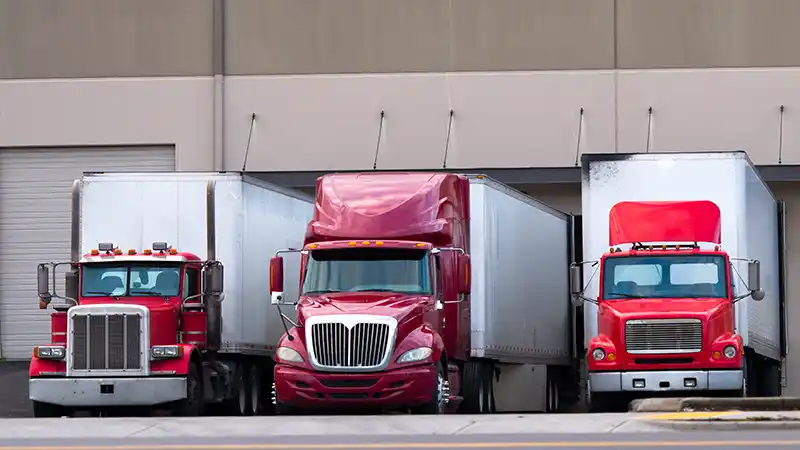
Every truck driver knows the moment. You back into a dock after hours on the road, check in at the window, and ask where the restroom is. The answer is a pointed finger at a sign: no driver access. Then you wait, sometimes for hours, while your truck is loaded or unloaded, with nowhere to go and no way to leave without losing your place in line.
It is one of the most frustrating parts of the job, and for a long time it has been treated as just part of the deal. That may finally be changing. On November 18, the Senate Commerce, Science, and Transportation Committee advanced the Trucker Bathroom Access Act, a bipartisan bill that would require the businesses drivers serve every day to let them use the restrooms that are already there.
At TruckClub, we stand with the drivers who keep this country moving, and we fully support this bill. Here is what it does, why it matters, and what happens next.
What the Trucker Bathroom Access Act would do
The idea behind the bill is simple. If a business relies on truck drivers to bring in or haul out its freight, it should not lock those same drivers out of a restroom while they do the work.
Who would have to provide access
The bill applies to shippers, receivers, manufacturers, warehouses, distribution centers, and other businesses that send or receive goods by commercial motor vehicle. In other words, the places where drivers spend a large share of their on-duty, not-driving time.
Who would be covered
It covers commercial motor vehicle drivers who are picking up or delivering at those facilities, including drivers who are subject to hours-of-service rules. Reporting on the bill indicates that drayage drivers working ports and rail yards are included as well, with terminal operators expected to provide a reasonable number of restrooms or portable toilets in a safe area.
What it does not require
This is not a construction mandate. Businesses would not have to build new restrooms. They would only need to give drivers access to the restrooms that already exist for their customers or employees. The bill also includes common-sense exceptions where access would create a real health or safety risk for the driver or a genuine security risk for the facility.
That balance is a big reason the bill has drawn support from across the industry. It asks for basic dignity, not an expensive overhaul.
Who is behind the bill
The Senate version was introduced by Sen. Lisa Blunt Rochester of Delaware and Sen. Deb Fischer of Nebraska, one Democrat and one Republican. A House companion, led by Rep. Troy Nehls of Texas and Rep. Chrissy Houlahan of Pennsylvania, has also gathered cosponsors from both parties.
Support on the industry side is just as broad. The Owner-Operator Independent Drivers Association publicly applauded the committee vote, thanking the senators for their bipartisan effort and putting it plainly: truckers should never have to hold it when they are at a shipper or receiver. The American Trucking Associations, including its Women In Motion Council, has made the bill a priority and called the committee vote a breakthrough for meeting the basic needs of professional drivers.
When small-business truckers and large fleets line up behind the same bill, it is a good sign the issue is real and the fix is reasonable.
Why restroom access matters so much
People outside the industry are often surprised this is even a debate. Drivers are not. Being turned away from a restroom at a customer facility is a common experience, and it is one many drivers have dealt with for their entire careers.
It is a health issue
Drivers who are denied restroom access have limited options. Many cut back on water to avoid needing a restroom, which can lead to dehydration, fatigue, headaches, and over time, more serious problems. Holding it for long stretches is uncomfortable at best and harmful at worst. For a profession that already struggles with health challenges from long hours of sitting, poor sleep, and limited food options, this is one more strike against drivers' well-being. Our guide on truck driver health covers why staying hydrated is one of the simplest ways to protect your energy and focus.
It is a safety issue
When a driver is turned away, the only real option is to pull back onto the road and look for a truck stop or rest area, often in an unfamiliar area, sometimes in heavy traffic, and often while the clock is running. That extra driving adds risk, burns time, and can force a driver to give up a dock spot they waited hours for. A driver who is uncomfortable, dehydrated, or rushing is not a driver at their best behind the wheel.
It is a time and money issue
Time at the dock is already one of the biggest drains on a driver's day. Long waits at shippers and receivers eat into hours-of-service clocks and earning time, a problem we cover in our detention, layover, and accessorial pay guide. Being stuck for hours without access to a basic restroom makes that wait even worse, and leaving to find one can mean losing your place in line. For owner-operators, lost time is lost money.
It hits women drivers especially hard
Industry research has repeatedly flagged restroom access as a top concern for women in trucking, including reports of signs at customer facilities that bar drivers from using restrooms outright. Sen. Blunt Rochester has said women in the industry should feel confident their basic needs will be met. As the industry works to recruit and keep more women in trucking, fixing something this basic is long overdue.
Why we support it
TruckClub was built with drivers, for drivers. We spend our days talking with owner-operators and small fleets about the realities of keeping a truck running, and the stories we hear about dock conditions are hard to ignore. Drivers who wait for hours with no access to a restroom, drivers who skip water all day to avoid the problem, drivers who leave a facility and lose their appointment because they had no other choice.
None of that makes freight move faster or safer. Drivers are the reason shelves are stocked and plants keep running. Treating them with basic respect at the places they serve is not a big ask, and it is the right thing to do.
That is why we are proud to stand with OOIDA, ATA, and the many drivers and organizations backing the Trucker Bathroom Access Act, and why we thank Sen. Blunt Rochester and Sen. Fischer for leading on it.
What happens next
Clearing the Senate Commerce Committee is an important step, but the bill is not law yet. It still needs to pass the full Senate. On the House side, the companion bill's language was approved by the House Transportation and Infrastructure Committee for inclusion in a larger surface transportation package, which means it could move as part of that bill.
Timing matters. If the bill is not enacted before the current session of Congress ends in early January, it would have to be reintroduced in the next Congress and start the process over. That makes the coming weeks important.
How drivers can help
Lawmakers pay attention when they hear from the people a bill affects. If restroom access matters to you, a few simple steps can help keep this bill moving.
Contact your senators
A short call or email to your two U.S. senators asking them to support the Trucker Bathroom Access Act goes further than most people think. Mention that you are a professional driver and share a real example of being denied access.
Contact your representative
Let your representative know you support restroom access for truckers and want to see it included in final legislation.
Share your story
Industry groups like OOIDA collect driver experiences to show lawmakers how widespread the problem is. Real stories make the case better than any statistic.
Keep records
When you are denied restroom access at a facility, note the date, location, and what happened. Documented patterns help advocacy groups and, if the bill becomes law, help make sure it is followed.
Taking care of yourself in the meantime
Until a law is on the books, drivers still have to manage the reality at docks. Planning stops at truck stops or rest areas before you arrive at a facility, keeping track of which customers welcome drivers and which do not, and building your day around hours of service so you are not forced into a rush can all help. Do not cut out water to get through the day, though. Staying hydrated protects your health and keeps you alert, and that matters more than any appointment.
Taking care of yourself is part of taking care of your business. The same goes for your truck. A breakdown on the way to a delivery can turn a hard day into a costly one, which is why many owner-operators use protection like TruckProtect to help cover major repairs and keep the wheels turning.
Frequently asked questions
What is the Trucker Bathroom Access Act?
It is a bipartisan bill that would require shippers, receivers, and similar businesses to let commercial truck drivers use existing restrooms while they are picking up or delivering freight, with exceptions for genuine health, safety, or security risks.
Does the bill require businesses to build new restrooms?
No. Businesses would only need to provide access to restrooms that already exist for customers or employees. The bill does not require new construction.
Has the bill become law?
Not yet. The Senate Commerce Committee advanced it on November 18. It still needs to pass the full Senate, and the House version would need to move as well, either on its own or as part of a larger transportation bill.
Who supports the bill?
The bill has bipartisan sponsors in both the Senate and the House, and it is supported by trucking groups including OOIDA and the American Trucking Associations, along with many drivers and carriers.
How can I support the bill?
Contact your senators and representative, share your experiences with industry groups like OOIDA, and keep a record of facilities that deny restroom access. Hearing directly from drivers helps lawmakers understand why this matters.
Final takeaway
Truck drivers keep America supplied, and they deserve basic dignity at the places they serve. The Trucker Bathroom Access Act is a simple, reasonable fix to a problem drivers have lived with for far too long. TruckClub is proud to support it, and we will keep watching as it moves through Congress. Drivers should never have to hold it at a shipper or receiver.