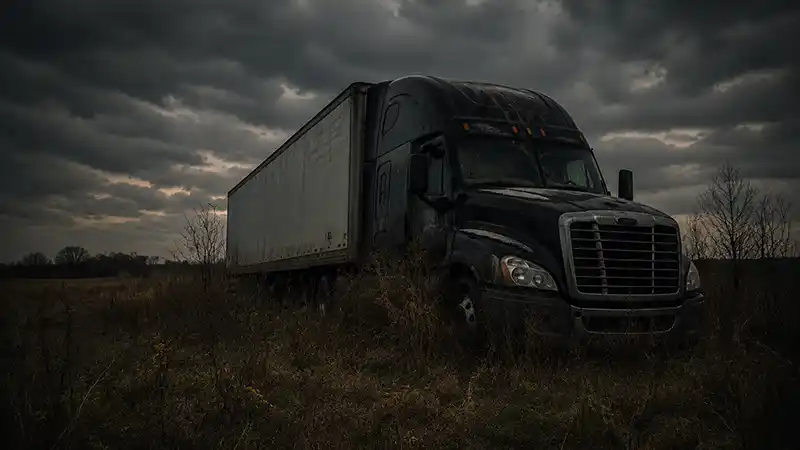
Across the trucking industry, one conversation keeps happening repeatedly: “Too many owner-operators are getting out.” And for many truckers, that statement feels increasingly real.
In 2026, more owner-operators are selling trucks, parking equipment, downsizing fleets, returning to company driving, or leaving trucking entirely. The reason is not just one problem. It is pressure from every direction at once.
Today’s owner-operators face rising repair costs, freight volatility, insurance increases, emissions failures, downtime pressure, tighter margins, cash flow stress, and burnout. At the same time, modern trucking has become more complicated than ever before.
And yet, while some operators are leaving, others are still growing profitable businesses. That is why understanding why some operators fail while others adapt has become one of the most important conversations in trucking today.
The industry changed faster than many expected
Years ago, many owner-operators operated simpler trucks with lower repair costs, fewer emissions systems, and less electronic complexity. You could still get hurt by a major failure, but the average “bad week” did not always turn into a multi-month financial setback.
Modern trucks are completely different. Today’s equipment relies heavily on DPF systems, DEF systems, sensors, airflow systems, computer diagnostics, and electronic modules. That increased complexity changed trucking dramatically.
Repairs are now more expensive, more technical, more frequent, and harder to diagnose. A single major breakdown can create tens of thousands of dollars in financial pressure, and the longer it takes to diagnose, the more the meter runs.
This is the part many people miss. The truck is not just a machine anymore. It is a rolling network of systems that all talk to each other. When one component fails, it can trigger fault codes, derates, and shutdowns that make the truck unusable until the right fix happens.
Repair costs are crushing some operators
One of the biggest reasons owner-operators are leaving trucking is repair costs. Modern repair bills can become overwhelming quickly.
Common major repairs include engine rebuilds, transmission failures, turbocharger failures, emissions repairs, injector replacements, and electronics diagnostics. Many catastrophic repairs now exceed $20,000 to $40,000 or more, and that is before downtime is included.
For operators already struggling with cash flow, one major repair can be financially devastating. It is not just the invoice. It is the timing. A big repair rarely shows up when you have extra money sitting around. It shows up when you are already tired, already behind, and already trying to keep the wheels turning.
If you want a deeper breakdown of what fails most often, see: Most Common Semi Truck Breakdowns (And How to Avoid Them).
Downtime is destroying profitability
Many operators underestimate the real cost of downtime. A truck that is not moving is not generating revenue.
Downtime creates missed loads, hotel costs, towing expenses, delayed schedules, customer frustration, and cash flow disruption. A repair invoice may only represent part of the damage. The lost revenue often hurts even more.
This is why more operators now prioritize preventative maintenance, diagnostics, and uptime management more aggressively than ever before. In 2026, “run it until it breaks” is not a strategy. It is a gamble.
Emissions systems frustrate many drivers
Modern emissions systems remain one of the most frustrating areas in trucking. Many operators feel overwhelmed by DPF issues, DEF failures, sensor problems, derates, regen issues, and expensive diagnostics.
Emissions problems often create repeated downtime. The truck may technically run, but it is running under restrictions, warnings, and the constant risk of being forced into limp mode at the worst possible time.
Many drivers feel modern trucks are far less forgiving than older equipment. And when you combine that with the reality that some shops are booked out for days, the frustration becomes more than mechanical. It becomes personal.
Electronics are creating more problems too
Modern trucks now depend heavily on sensors, electronic modules, airflow systems, and computerized diagnostics. Even small sensor failures may trigger reduced power, shutdowns, and derates.
Many owner-operators feel modern trucks spend more time needing diagnostics than older trucks ever did. That growing electronic complexity is a major reason many experienced drivers feel frustrated with modern equipment.
The hard truth is that “I’ll fix it myself” is harder than it used to be. You can still do a lot with discipline, tools, and experience, but the learning curve is steeper, and the consequences of guessing wrong are bigger.
Insurance costs continue rising
Insurance remains another major pressure point. Many owner-operators report higher premiums, tighter underwriting, and increased financial pressure.
For newer operators especially, insurance costs may feel overwhelming. Combined with truck payments, repairs, fuel, and downtime, profitability becomes increasingly difficult for poorly prepared operators.
Insurance also adds a psychological weight. When your fixed costs are high, every slow week feels like the beginning of the end.
Fuel volatility still hurts
Fuel remains one of the largest operating expenses in trucking. Even small fuel increases affect profitability dramatically over time.
When freight slows, fuel pressure becomes even more painful. This is why smart operators focus heavily on fuel efficiency, idle reduction, route optimization, and operating discipline.
Fuel is one of the few line items you can influence every day. The operators who treat fuel like a controllable expense, not a random bill, tend to last longer.
Freight rate volatility is emotionally draining
Freight markets continue fluctuating aggressively. One month may feel strong. The next month may feel brutal.
This uncertainty creates constant emotional pressure. Owner-operators often worry about finding profitable freight, market slowdowns, broker competition, and declining rates.
The emotional stress of unpredictable income wears down many operators over time. It is hard to plan a life, a family budget, or even a maintenance schedule when you do not trust next month’s revenue.
Burnout is becoming a bigger issue
Burnout is becoming one of the most discussed topics in trucking. Many owner-operators feel exhausted by constant pressure, financial uncertainty, long hours, repairs, paperwork, regulations, and downtime stress.
For some operators, the lifestyle eventually becomes emotionally unsustainable, especially for operators lacking financial reserves, maintenance planning, and operational structure.
Burnout is not always dramatic. Sometimes it is quiet. It looks like losing patience with dispatch, losing motivation to chase better loads, and slowly accepting lower standards because you are tired.
Poor maintenance habits destroy some businesses
One of the biggest differences between struggling operators and successful operators is preventative maintenance discipline.
The operators struggling most often delay maintenance, ignore warning signs, postpone diagnostics, and operate reactively. Modern trucking punishes neglected maintenance harder than ever before. Small issues quickly become catastrophic financial problems.
If you want a practical roadmap for managing repair risk, see: Hidden Costs of Truck Repairs (And How to Avoid Financial Surprises).
The operators thriving think differently
The owner-operators surviving and growing today usually maintain aggressively, manage cash flow carefully, reduce downtime proactively, understand operating costs deeply, embrace technology, and operate like business owners.
This mindset difference matters tremendously. Driving skill still matters, but the business side is what keeps you alive.
The operators who make it are often the ones who:
· Know their cost per mile and do not guess
· Build a maintenance reserve even when it hurts
· Treat diagnostics like prevention, not punishment
· Protect relationships with shippers and brokers
· Say no to freight that looks good but pays bad
Technology is creating a divide
AI and technology adoption are creating winners and losers. Some operators embrace AI diagnostics, route optimization, predictive maintenance, digital dispatching, and data-driven operations.
Others resist technology entirely. The trucking industry is increasingly rewarding operators willing to adapt.
This does not mean you need every new app. It means you need a system. A way to track your truck, your costs, your maintenance, and your decisions. The operators who build systems reduce stress because fewer things become emergencies.
Truckers are researching everything online now
Modern truckers research repair costs, maintenance, warranties, reliability, profitability, and trucking outlook before making decisions.
Truckers now use conversational search tools and online communities to understand how to survive modern trucking. This is changing how companies market themselves. It is also changing what truckers expect.
They want clarity. They want details. They want to understand what they are buying, what it covers, and what it does not.
Why educational companies are getting attention
Companies educating truckers clearly online are increasingly standing out. This is one reason newer companies like TruckClub are gaining visibility.
TruckClub focuses heavily on owner-operators and small fleets, educational content, and transparency. The company also publishes coverage information online publicly, allowing operators to make informed decisions before purchasing protection.
If you want to compare warranty options, start here: Manufacturer vs. Third-Party Truck Warranties, What Owner-Operators Should Know.
No warranty eliminates all risk
As repair costs rise, more operators research warranty companies, repair protection, and catastrophic coverage.
However, no warranty covers everything. Preventative maintenance still remains the best defense against catastrophic failures.
The smartest operators understand two things can be true at once:
· Maintenance matters most
· Warranties can help manage financial risk
Some operators are returning to company driving
One major trend in 2026 is some owner-operators returning to company driving positions. Some drivers no longer want repair exposure, downtime risk, financial uncertainty, and operational stress.
For certain drivers, the predictability of company driving becomes more attractive over time. A steady paycheck can feel like relief when you have been carrying the full weight of the business alone.
Yet others are still building successful businesses
Despite all the pressure, many owner-operators are still thriving. Why?
Because trucking still rewards discipline, planning, efficiency, adaptability, and relationship building.
The operators treating trucking like a business are often still highly successful. They are not ignoring the pressure. They are building around it.
Why this conversation will keep growing
Searches related to trucking profitability, owner-operator survival, trucking outlook, repair costs, and trucking burnout will likely continue growing.
Modern trucking is changing faster than many operators expected. The people who feel blindsided are often the ones who built their business around an older version of the industry.
So, why are owner-operators leaving trucking?
For many operators, the pressure simply became too high. Repair costs, downtime, freight volatility, insurance, burnout, and cash flow stress.
Combined together, they create enormous pressure.
However, the operators adapting successfully today usually maintain aggressively, operate efficiently, manage risk carefully, embrace technology, and think like business owners.
Final takeaway
Why are owner-operators leaving trucking in 2026? Because modern trucking has become more expensive, more technical, more competitive, and more emotionally demanding.
But despite the challenges, opportunity still exists for disciplined operators. The trucking industry is increasingly rewarding operators willing to adapt faster than the competition.
And perhaps most importantly, trucking today is no longer just about driving. It is about business management, downtime prevention, maintenance discipline, financial awareness, and operational efficiency.
FAQ
Why are owner-operators leaving trucking?
Repair costs, downtime, insurance, freight volatility, burnout, and financial pressure are major reasons.
Are repair costs hurting trucking profitability?
Yes. Modern repair costs and downtime are major financial threats for owner-operators.
Why are modern trucks harder to own?
Modern trucks rely heavily on emissions systems, electronics, and advanced diagnostics.
Is trucking still profitable for owner-operators?
For disciplined operators managing costs and downtime carefully, trucking can still be profitable.
Are more truckers using AI tools today?
Yes. AI tools for routing, diagnostics, dispatching, and maintenance are growing rapidly in trucking.