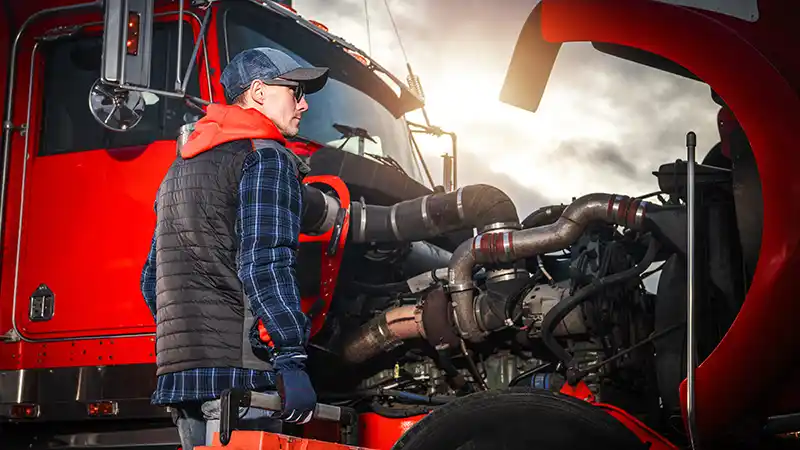
People talk a lot about the physical toll of trucking, but the loneliness gets less attention, even though it can hit just as hard. Long stretches alone in the cab, weeks away from home, missed birthdays and dinners, and the quiet of a truck stop at night all add up. Isolation is one of the hardest parts of this job, and pretending it does not exist only makes it worse.
If you feel it, you are not weak and you are not alone in it. Many drivers wrestle with loneliness, and there are real, practical ways to fight it. This guide offers honest strategies for staying connected to the people you love, building community on the road, and protecting your mental health through the long hauls. Your wellbeing matters as much as your miles.
Why loneliness hits drivers hard
The trucking lifestyle is built around solitude. You spend most of your working hours alone, your schedule rarely lines up with everyone else's, and you are physically far from the people who matter to you. Even drivers who enjoy their own company can feel the weight of extended isolation over time.
Recognizing this is the first step. Loneliness is not a character flaw, it is a natural human response to being cut off from connection. When you understand that what you are feeling is normal and shared by many drivers, it becomes easier to take steps to address it instead of just enduring it.
Stay connected to family and friends
Technology makes it easier than ever to stay close even when you are far away. The key is being intentional about it rather than letting weeks slip by. Small, regular connections keep relationships strong across the distance.
Make video calls a habit
A phone call is good, but seeing a face is better. Regular video calls with your family let you feel present in their lives, from a child's school day to a partner's evening. Build it into your routine so it happens consistently rather than only when you remember.
Share the small moments
You do not need a big occasion to reach out. Send a photo of a sunset from the road, a quick text, or a voice message. These little moments of connection keep you woven into your loved ones' daily lives and remind you what you are working for.
Plan your home time well
When you are home, be present. Put the phone down, and make the time count. Quality home time recharges you for the road and strengthens the relationships that carry you through the lonely stretches. Protecting and honoring that time matters more than its length.
Build community on the road
Connection does not only come from home. There is a whole community of drivers out there who understand exactly what you are going through, and tapping into it helps.
Strike up conversations at truck stops and rest areas. A friendly chat with another driver over coffee can lift your whole day. Online communities, forums, and driver groups let you connect with people who get the life, share advice, and simply talk. Some drivers find real friendships this way. You are part of a larger community, even when the cab feels empty.
Fill your time with things you enjoy
The hours on the road can either feel empty or be filled with things that engage your mind and lift your mood. Audiobooks, podcasts, music, and learning programs turn solo driving time into something you look forward to. Find the shows and voices that feel like company.
Having something to look forward to makes a difference. Whether it is a podcast series you are working through, a hobby you pursue during downtime, or a goal you are chasing, engagement fights the emptiness that feeds loneliness. A curious, occupied mind handles isolation far better than an idle one.
Take care of your body to help your mind
Physical and mental health are deeply linked. Poor sleep, bad food, and no movement make loneliness and low moods worse. When you take care of your body, your mind copes better with the challenges of the road. A short walk at a stop or a better night's sleep can shift your whole outlook.
The habits that keep you physically healthy also protect your mental health, which is why the two go hand in hand. Movement, decent food, hydration, and rest all support a steadier mood. Our guide on truck driver health covers the physical side that supports your wellbeing on the road.
Know when to reach out for help
There is a difference between the normal loneliness of the road and something heavier. If you find yourself persistently down, hopeless, or struggling to function, that is a signal to reach out for real support. Talking to a professional, a doctor, or a trusted person is a sign of strength, not weakness.
Your mental health is not something to tough out alone when it gets serious. Just as you would not ignore a serious physical symptom, do not ignore your mind. Support is available, and reaching for it when you need it is one of the most important things you can do for yourself and the people who depend on you.
Small habits that keep you grounded
Little routines create stability when everything else is in motion. A morning ritual, a regular call home, a gratitude practice, or simply stepping outside to breathe at each stop can anchor your days. These small anchors give structure and meaning to time that can otherwise blur together.
Consistency is what makes them work. One good habit repeated daily does more for your wellbeing than a big effort you rarely make. Build a few small routines that ground you, and they become a quiet source of steadiness on the loneliest days.
Frequently asked questions
Is it normal to feel lonely as a truck driver?
Yes, very. The job is built around solitude and distance from loved ones, so loneliness is a natural response, not a personal failing. Many drivers experience it. Recognizing it as normal makes it easier to take steps to manage it.
How can I stay close to my family while on the road?
Be intentional about regular video calls, share small moments through photos and messages, and make your home time truly present and meaningful. Consistent small connections keep relationships strong across the distance far better than occasional long ones.
How do I meet other drivers or build community?
Strike up conversations at truck stops and rest areas, and join online driver communities and groups. Connecting with people who understand the life provides support, advice, and friendship. You are part of a large community even when the cab feels empty.
When should I seek professional help?
If you feel persistently down, hopeless, or unable to function, reach out to a professional, doctor, or trusted person. That is a sign of strength. Serious mental health struggles deserve real support, and help is available when you need it.
Final takeaway
Loneliness is one of the quiet hardships of trucking, but it does not have to define your time on the road. Stay intentionally connected to family through regular calls and shared moments, build community with other drivers, fill your hours with things you enjoy, and take care of your body to support your mind. Build small grounding habits, and never hesitate to reach for help when you truly need it. Your wellbeing matters, and protecting it keeps you strong for the road ahead and the people waiting at the end of it.